Posts by:

Claire O'Connor

The Role of Selenium in Women’s Health

What is Selenium?

You may not have heard of selenium, though it is vital to your health. Selenium is a trace element made up of proteins essential for the orchestration of biological processes in the human body. It is known for its potent antioxidant activity, which plays a significant role in fertility.

Selenium and Reproduction:

Selenium plays a vital role in reproductive health by counteracting oxidative stress, an imbalance between harmful free radicals and protective antioxidants. Oxidative stress can damage sperm DNA, reduce sperm viability and impair motility. In women, it can disrupt the process of oocyte maturation and embryo development. Research highlights the potential of selenium as a natural antioxidant which can improve fertility for both men and women.

Studies have shown that Selenium deficiency might result in pregnancy complications, such as spontaneous miscarriage, damage to the foetus’s nervous and immunological systems. Conversely, studies find that women with higher selenium levels tend to have higher fertilisation rates during IVF pregnancy.

Together, these findings highlight selenium’s important role in promoting healthy fertility and pregnancy outcomes.


Selenium and Polycystic Ovary Syndrome (PCOS):

Emerging research suggests selenium may be beneficial for women with PCOS. Oxidative stress and abnormal lipid metabolism are recognised as pathogenic mechanisms contributing to infertility and abnormal menstruation in patients with PCOS. Selenium combats this by reducing oxidative stress.

There is also growing interest in the connection between PCOS and gut health. Women with PCOS often show an altered gut microbiome, which can influence sex hormone balance. Animal studies suggest that reduced levels of certain gut bacteria in PCOS models may impair the conversion of testosterone to oestrogen, contributing to hormonal imbalances. Selenium’s role in reducing oxidative stress and supporting metabolic function may indirectly help restore balance.


Selenium and Thyroid Health:

Selenium is especially important for thyroid function. The thyroid relies on selenium-dependent enzymes to convert the hormone T4 into its more active form, T3.
Healthy thyroid hormone production supports:

  • Metabolic rate
  • Heart function
  • Digestion
  • Energy levels
  • Brain development

Because women are more likely to experience thyroid disorders than men, maintaining adequate selenium intake is particularly important.

Food Sources of Selenium:

Selenium comes from a variety of dietary sources. Foods rich in selenium include:

  • Brazil nuts (the richest natural source)
  • Seafood (shellfish, tuna, salmon)
  • Meats (pork, beef, poultry)
  • Eggs and grains


Maintaining adequate selenium levels is a simple yet powerful step toward supporting women’s reproductive, hormonal, and thyroid health. By prioritising selenium-rich foods, women can nurture their wellbeing from the inside out.

By 0 Comments

Brightening Your Gut: The Power of Vitamin D in Digestive and Brain Health

The autumn leaves are falling, the days are shorter, and vitamin D is scarce. If you are living in Ireland like me, you know that sunshine will be a rare sight until March. So, this blog will discuss how we can get our Vitamin D without the sun and understand how important it is for our health and gut.

The Role of Vitamin D in Our Overall Health.

Vitamin D acts not only as a vitamin but also as a steroid hormone, orchestrating many key biological functions essential for overall health. It regulates calcium and phosphate levels in the blood, which are crucial for bone strength, muscle function, and nerve signalling, while also modulating insulin secretion, hormone synthesis, and the activity of numerous genes throughout the body.

Vitamin D further supports the immune system by having anti-inflammatory properties. It promotes the production of antimicrobial peptides, defenders that help shape the gut microbiome composition and enhance gut barrier protection. Vitamin D deficiency has been linked to increased inflammation, increased risk for digestive disorders, and a shift toward dysbiosis (an imbalance of the microbial compositions) in the gut.


Vitamin D and your Microbiome

Research studies in both animals and humans have shown that vitamin D promotes intestinal health and can change the composition of the gut microbiome and bacterial diversity. Research showed that exposure to sunlight or UVB light can modulate the gut microbiome.  A recent study in 2024 showed that Vitamin D supplementation in healthy individuals increased the proportion of beneficial bacteria such as Bifidobacterium. A healthy gut promotes brain health, supporting cognitive function and emotional well-being.


How can we increase our Vitamin D levels

One easy way of increasing your Vitamin D during these dark months is through supplementation, and another is through your diet.

Though very few foods contain Vitamin D, the ones that do contain high amounts. For example,  fatty fish, such as trout, salmon and cod liver oil, mushrooms exposed to the sun, fortified milk, sardines, eggs and tuna fish.

And of course, the best and most obvious source of Vitamin D is the sun, so whenever it is shining, make your best effort to get outside and soak it in, your mind and your body will be very happy you did.

By 0 Comments

Is Menopause Experienced Differently by Women with Down Syndrome

Down Syndrome is the most prevalent genetic cause of intellectual disability, characterized by a triplication of chromosomes. Down Syndrome (DS) manifests a spectrum of symptoms, including early onset of menopause.

Menopause is a major transitional phase in a woman’s life that encompasses both physical and emotional changes. The onset of menopause occurs earlier in women with intellectual disabilities, and even earlier in women with Down Syndrome. The median age of menopause in women with DS is around 44–46 years, compared to 50–52 years in the general population.


Menopause is a challenging time for every woman, especially those with Down Syndrome. Describing their symptoms can be challenging, and it is often caregivers who first notice these changes. Changes in mood, cognition, and memory are common during perimenopause; however, these symptoms often get overlooked in women with Down Syndrome as they are seen as symptoms of the condition rather than symptoms of menopause.


Additionally, these brain changes can be exacerbated by other symptoms, like anxiety and disrupted sleep, creating a cycle of stress and cognitive fatigue that can be challenging to manage. Some women with Down Syndrome report confusion and memory difficulties as they undergo the menopause transition, however, this is a known symptom of menopause and can often be difficult to determine whether this is solely due to menopause or due to early onset Alzheimer’s disease.


How Hormonal Changes Impact Aging and Cognition in Down Syndrome

Research has shown that the Down Syndrome population have an increased risk of early onset Alzheimer’s disease. Approximately 40-80% of Down Syndrome individuals develop Alzheimer’s disease by the 5th or 6th decade of life, a much younger subgroup than the neurotypical population. This population has a short interval between the age of menopause and the potential onset of Alzheimer’s disease. Moreover, research has shown that early age of menopause and low oestrogen levels are associated with an earlier age of onset of Alzheimer’s disease.


Furthermore, studies indicate that an earlier age of menopause and lower oestrogen levels are linked to an earlier onset of Alzheimer’s disease. These findings support a hypothesis that reductions in oestrogen post menopause contribute to the cascade of pathological processes leading to Alzheimer’s and accelerates its development in high-risk women such as Down Syndrome.


Supporting Women with Down Syndrome Through the Menopausal Transition

Because women with Down syndrome may experience menopause earlier and sometimes with more intense symptoms, it’s essential to provide tailored support. Caregivers and healthcare professionals should be aware that women with Down Syndrome might have difficulty recognising or communicating menopausal symptoms, such as changes in mood, sleep, or menstruation.

Support strategies should include:

  • Regular health checks to monitor hormonal changes and cognitive function.
    • Regular visits to your general practitioner can help, as well as caregivers paying attention and recognising behavioural changes.
  • Educate women with Down Syndrome on the changes that occur during menopause.
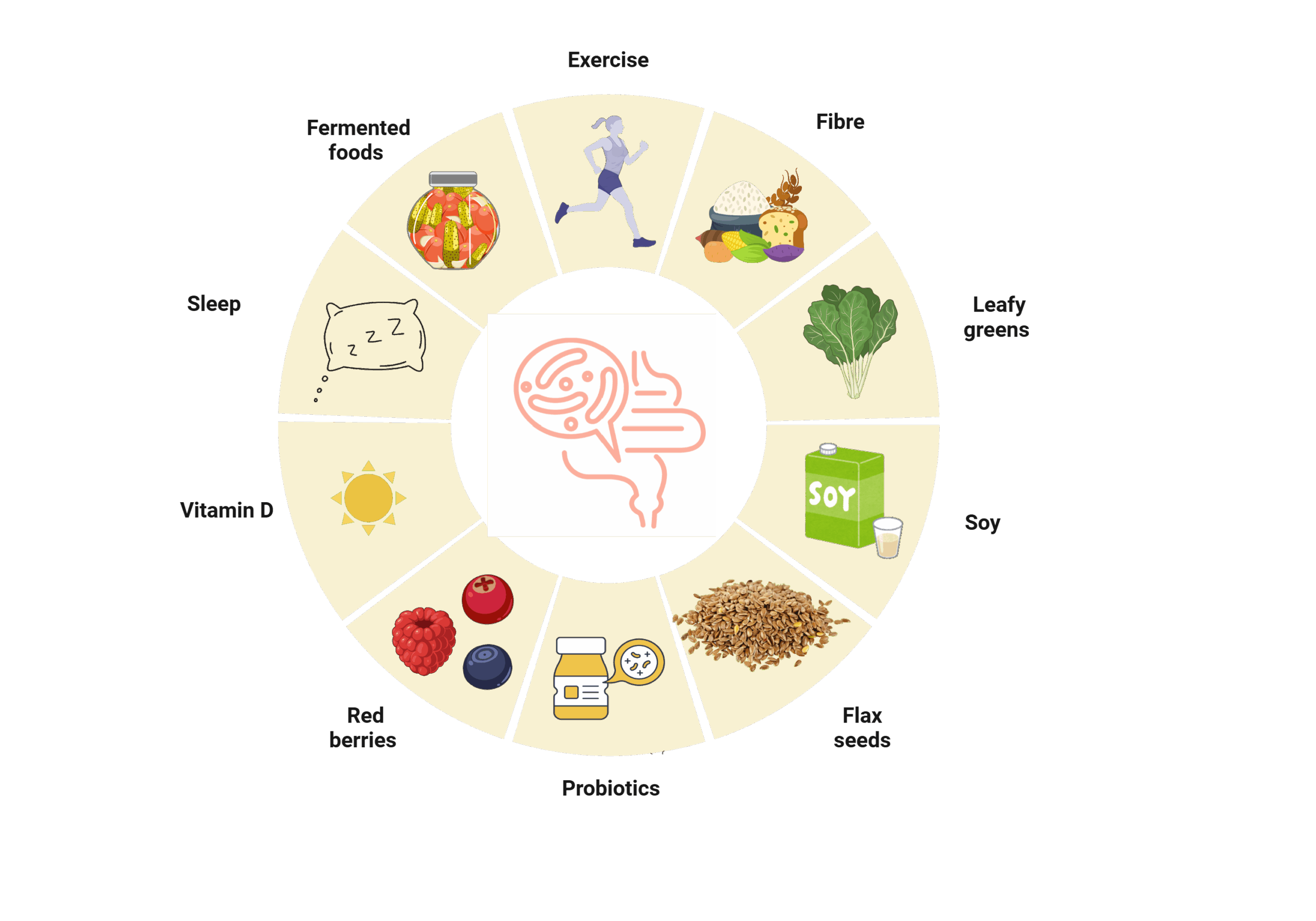
  • Engage in physical activity and look after the gut microbiome.
    • Many studies have shown that physical activity plays a major role in protecting the Down Syndrome population from early cognitive decline. Additionally, the gut has bidirectional communication with the brain and our research has shown that a healthy microbiome can support cognition and reduce anxiety and depression.


How Can I Support My Microbiome?

By 0 Comments

The GABA Connection: Hormones, Mood, and Menopause

What is GABA?

Gamma-amino butyric acid (GABA) is the main inhibitory neurotransmitter of the central nervous system, which plays a role in calming neural excitability, reducing anxiety and supporting stress resilience. Dysregulation of the GABA system is linked to insomnia and anxiety. Interestingly, GABA has a close relationship with our reproductive hormones.


A woman’s life is marked by dramatic hormonal fluctuations: puberty, when the ovaries begin producing oestrogen and progesterone; pregnancy, with sustained high levels of both; and menopause, which will be the focus of this blog, when these hormones sharply decline. Each of these transitions is accompanied by changes in the GABA system.


Why GABA Fluctuates with Hormonal Shifts:

GABA naturally fluctuates with hormonal shifts to help maintain the delicate balance between excitation and inhibition in the brain, when this balance is lost, it increases the risk of anxiety.

The Hormone GABA Connection:

Progesterone produces a metabolite called allopregnanolone, or ALLO for short. ALLO can activate GABA A receptors, producing significant anti-depressant, anti-stress, and anxiolytic effects.

Hormonal Decline and Its Impact on GABA

As progesterone levels drop during perimenopause, so do ALLO levels and, in turn, GABA receptor activation. The consequences of these changes have been linked to altered cognitive functioning, mood alterations, insomnia, and susceptibility to psychiatric disorders (anxiety and depression).


Studies have found that there are significantly lower levels of GABA in certain areas of the brain of menopausal women. The areas of the brain involved in decision making, self-reflection, memory, emotion processing, and decision making.  These findings suggest that dysfunction in the GABA system may contribute to brain health issues during menopause.


Can the Gut Microbiome help?

Beyond digesting food, the gut plays an important role in regulating our oestrogen and progesterone levels, which in turn affects our GABA levels. Certain gut bacteria such as Lactobacillus, Bifidobacterium and Lactiplantibacillus plantarum support GABA production. This raises the question: could the gut microbiome be a natural way to replenish GABA and ease some of the most common and distressing symptoms of menopause?


Take-Home Message

The connection between hormones, GABA, and the gut microbiome opens up an exciting area of exploration. As progesterone, it’s metabolites, and GABA decline during perimenopause, symptoms like anxiety, low mood, and poor sleep increase. The gut’s ability to synthesise GABA offers a hopeful perspective for women.

By 0 Comments

Managing Menopausal Symptoms with Saunas: Science or Speculation?

Saunas have become one of the hottest wellness trends of the moment but are they truly worth the heat, or just hype? The answer appears to be worth it. Beyond their obvious appeal as a deeply relaxing ritual, saunas offer a range of benefits that may be especially valuable during menopause.


How Saunas Work

Typical sauna temperatures range from 65–90 °C. Once inside, your body experiences “heat stress,” which raises your core temperature and prompts the cardiovascular system to work harder. Heart rate increases, circulation improves, and blood is diverted toward the skin, triggering sweating and cooling. This cascade of effects ultimately boosts cardiac output and conditions the body in a way similar to moderate exercise.

Cardiovascular Health

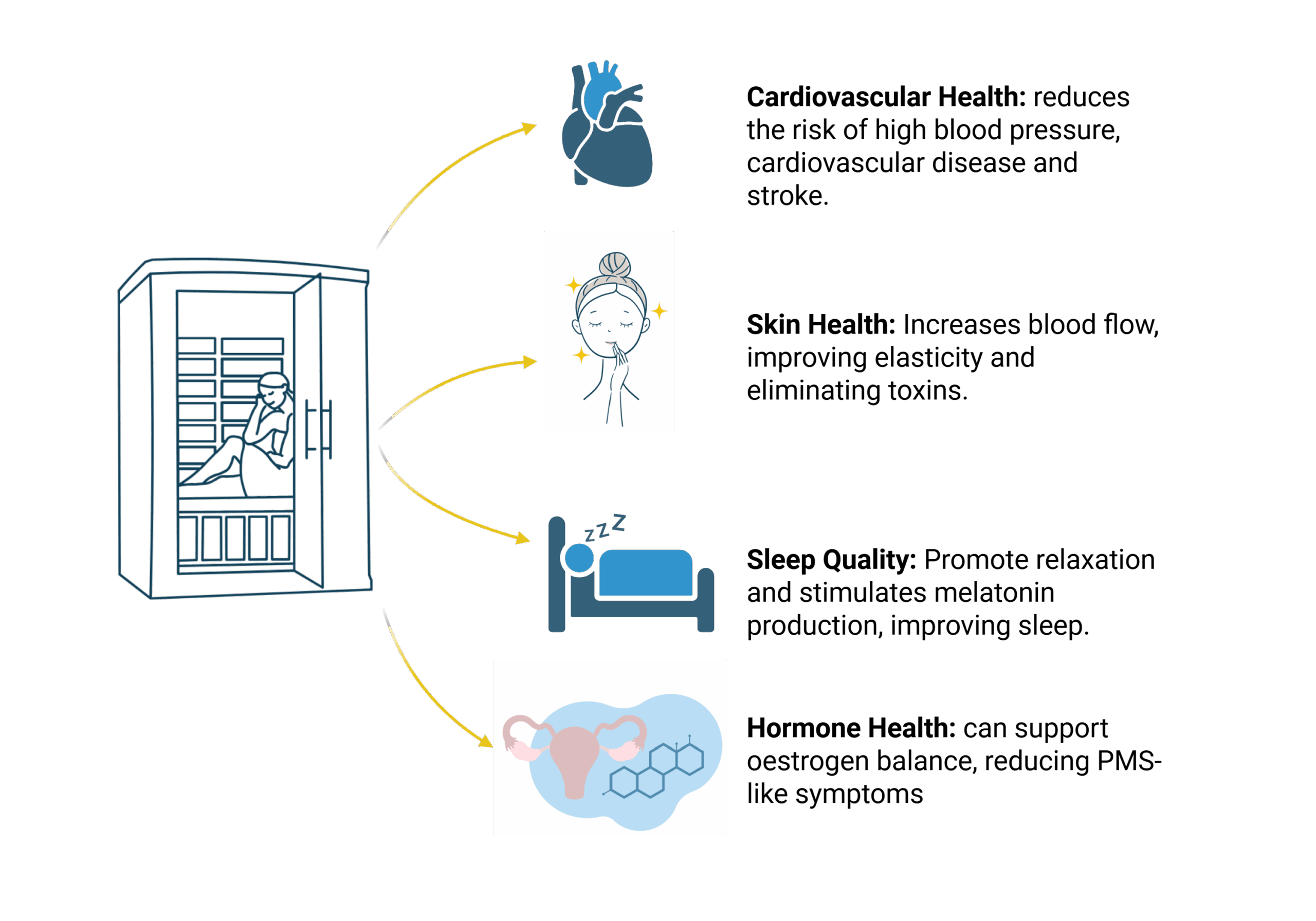
One of the most well-documented benefits of regular sauna use is its positive impact on heart health. This is especially important during menopause, a stage when the natural decline in oestrogen increases the risk of high blood pressure, heart disease, and stroke. Sauna bathing helps counteract these risks.

Studies show that 2–3 sessions per week can lower the risk of high blood pressure, cardiovascular disease, and stroke, with 4–7 weekly sessions offering even greater protection.

Physiologically, sauna bathing improves heart rate variability, enhances myocardial perfusion, and supports left ventricular function. These benefits stem from increased nitric oxide production, reduced arterial stiffness, and improved capillary diffusion, all of which reduce cardiovascular strain and promote long-term heart health during and after menopause

Sleep Support

Sleep disturbances and insomnia are common struggles during menopause. Sauna use may help by promoting relaxation and supporting the body’s natural sleep rhythm. After a sauna session, the body cools down, mimicking the natural temperature drop that precedes sleep. This cooling effect stimulates melatonin production, making it easier to fall asleep and stay asleep.


Mood Enhancement

It comes as no surprise that sauna bathing boosts our mood. The heat stimulates the release of endorphins, the body’s natural “feel-good” chemicals, providing a sense of calm and well-being that can be particularly valuable during the hormonal fluctuations of menopause.


Hormonal Health & Menstrual Cycle Support

Though menopause marks the end of regular cycles, many women still experience hormonal shifts and symptoms that saunas may help ease. Sauna use can support oestrogen balance, potentially reducing PMS-like symptoms, cramping, and mood changes.

Timing, however, matters:

  • Follicular Phase (Days 1–14): Generally well-tolerated; aids in energy and recovery.
  • Ovulation (Around Day 14): Core temperature is already elevated, so heat may feel more intense.
  • Luteal Phase (Days 15–28): With higher progesterone, body temperature is naturally elevated, making sauna sessions feel more taxing.
  • Menstruation: Gentle sauna use may ease cramping, though shorter sessions and proper hydration are recommended.


Skin and Cellular Protection

Saunas also benefit the skin by increasing blood flow, which improves elasticity and imparts a healthy glow. Sweating helps flush impurities, while heat exposure triggers the production of heat shock proteins (HSPs). These proteins protect cells from oxidative stress and protein damage, enhancing resilience and promoting long-term cellular health.


Summary
Far from being just a relaxing indulgence, sauna bathing offers wide-ranging benefits, from cardiovascular health and improved sleep to better mood, hormone balance, and even cellular protection. For women navigating the challenges of menopause, saunas may provide both soothing relief and meaningful long-term health support.

By 0 Comments

The Gut: An Unlikely Source of Hormone Production

When we think of hormones, we often picture the endocrine system, including the ovaries, adrenal glands, thyroid, and others. While these organs are critical for hormone production, they do not work alone. One of their biggest partners in maintaining hormone balance is the gut.


Beyond digesting food, the gut is an ecosystem of microbes that influence everything from how hormones are broken down to how they affect our mood and physiology. A disruption in the gut microbiome can interfere with hormone regulation, ultimately putting it out of sync. This blog will give you an overview of how big of a role the gut has to play in our hormone balance.


Enteroendocrine cells: The Gut’s Secret Weapon

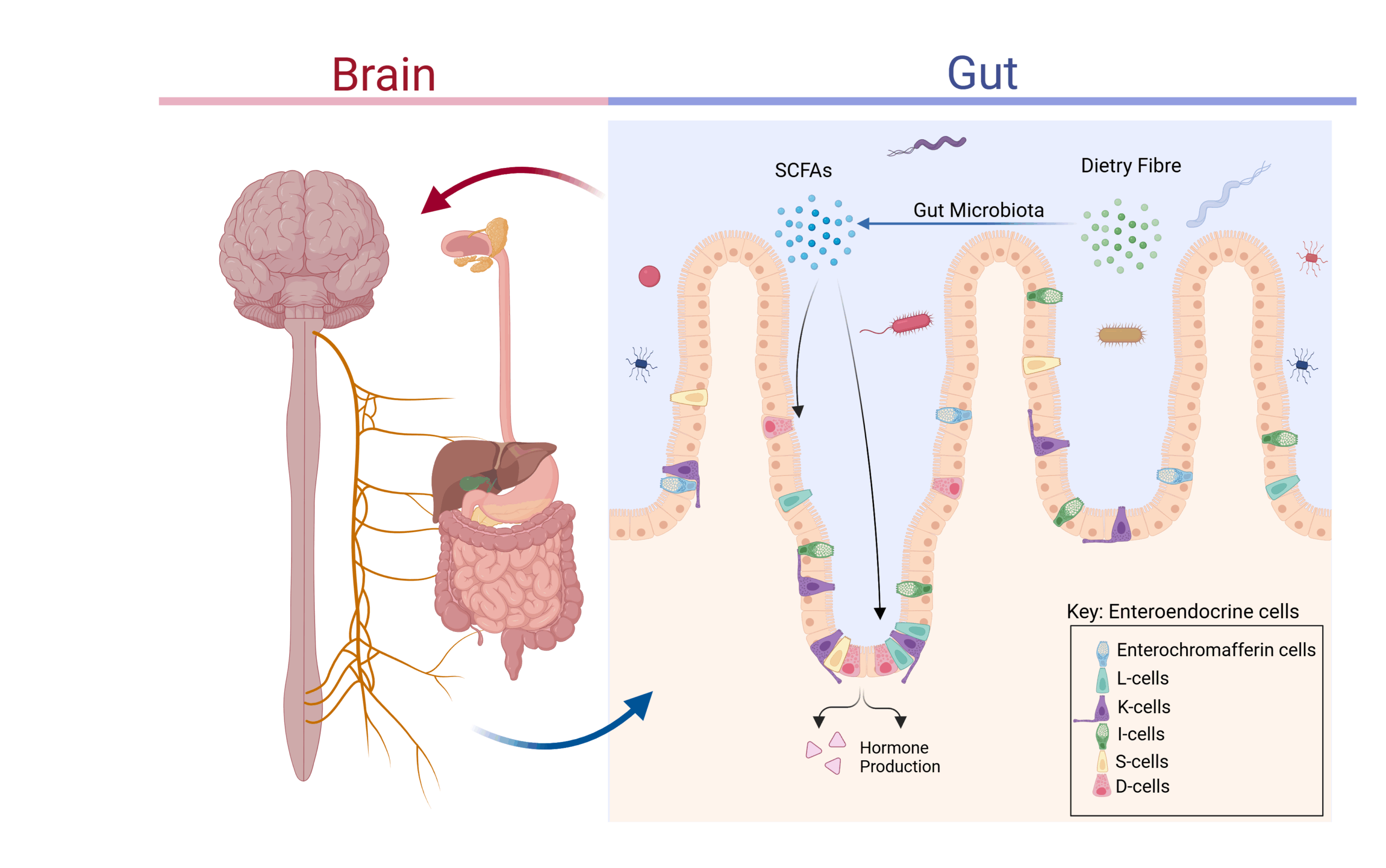
Enteroendocrine cells (EECs) are specialised cells found within the gastrointestinal tract, and pancreas. Their role is to sense different stimuli and release hormones accordingly. These hormones may circulate through the blood to influence the whole body, or act nearby as local signalling agents within the digestive system.


Different subtypes of EECs release specific hormones, each with unique roles:

  • Enterochromaffin cells (ECs): secrete serotonin, affecting gut motility, secretion, sensation, and brain function.
  • L-cells: produce GLP-1 and PYY, regulating insulin secretion and satiety (feeling of fullness).
  • K-cells: release GIP, which stimulates the pancreas to release insulin when glucose or fat is present in the gut.
  • I-cells: produce CCK, stimulating pancreatic enzymes, gallbladder contraction, and satiety.
  • S-cells: secrete secretin, which controls pancreatic bicarbonate secretion. This helps create the right pH for digestive enzymes to work.
  • D-cells: release somatostatin, broadly inhibiting other secretions. It acts like a brake to keep digestive and hormonal activity under control.

The Gut and Reproductive Hormones: The Estrobolome

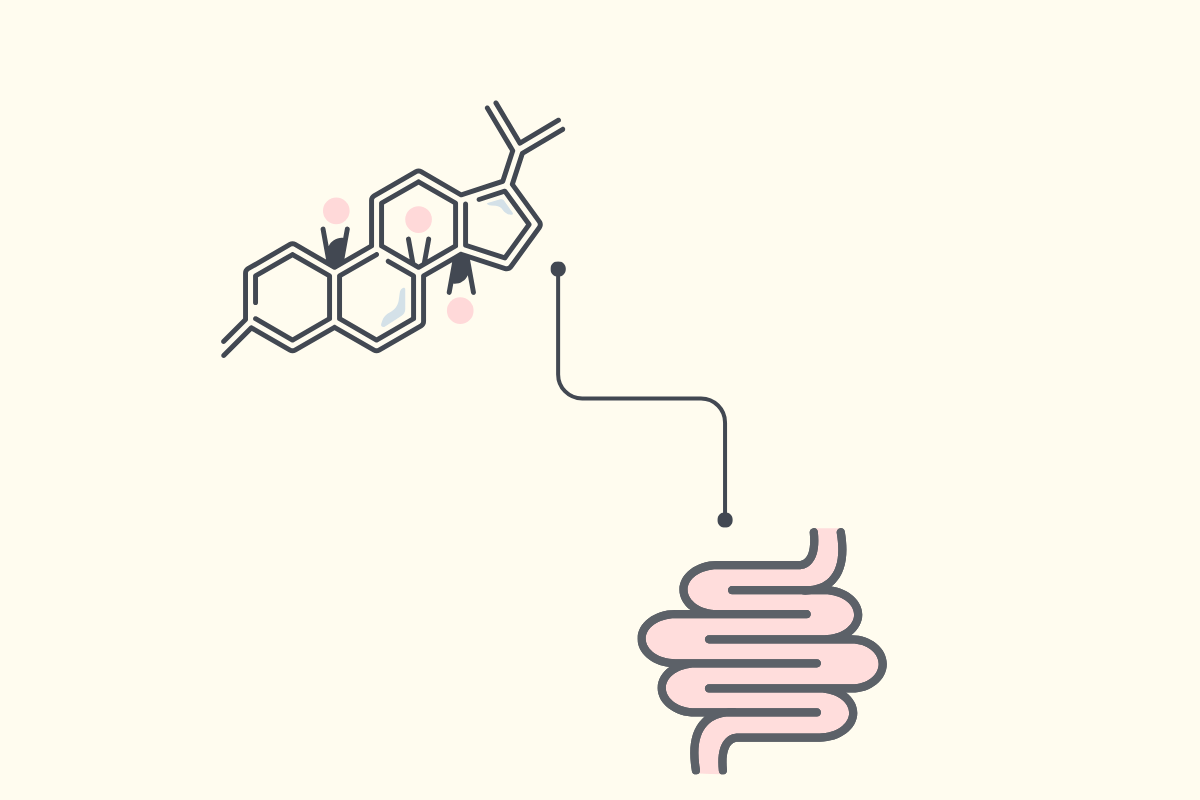
The gut microbiome also influences reproductive hormones, particularly oestrogen. The Estrobolome refers to beneficial bacteria in the gut that produce enzymes which help process oestrogen. Oestrogen, which is produced in the ovaries, adrenal glands, and fat tissue, is excreted from the body through the gut in an inactive form. The enzymes produced by the estrobolome can reactivate it, however, allowing oestrogen to be reabsorbed from the gut into the bloodstream.

Microbial Metabolites, Hormones and the Gut-Brain Connection

Gut microbes also play a role in hormone signalling. They produce short-chain fatty acids (SCFAs) such as acetate, propionate, and butyrate during fibre fermentation. SCFAs stimulate enteroendocrine cells to release hormones that regulate appetite and metabolism.

In addition, SCFAs interact with the vagus nerve—a key communication pathway between the gut and brain—sending satiety signals that help regulate eating behaviour.


Neurotransmitter Production in the Gut

Various neurotransmitters are also synthesised or modulated in the gut by intestinal cells (especially enteroendocrine cells and enteric neurons) and by specific gut bacteria. Important neurotransmitters such as serotonin, GABA, dopamine, acetylcholine, glutamate, norepinephrine, and histamine are produced or influenced in the gut. Certain gut bacteria, including Lactobacillus, Bifidobacterium, and Staphylococcus, can produce neurotransmitters or their precursors, like GABA and dopamine. These gut-derived neurotransmitters communicate with the brain via the vagus nerve, immune signalling, or by providing precursors for central neurotransmitter synthesis, highlighting the gut-brain axis.


Key Takeaway

The gut is far more than a digestive organ—it is an endocrine powerhouse. Through the combined activity of enteroendocrine cells and gut microbes, it produces and regulates a wide range of hormones and neurotransmitters that influence digestion, appetite, metabolism, reproduction, and even brain function. Supporting gut health through diet, lifestyle, and microbiome care is therefore a crucial step toward maintaining overall hormonal balance.

By 0 Comments

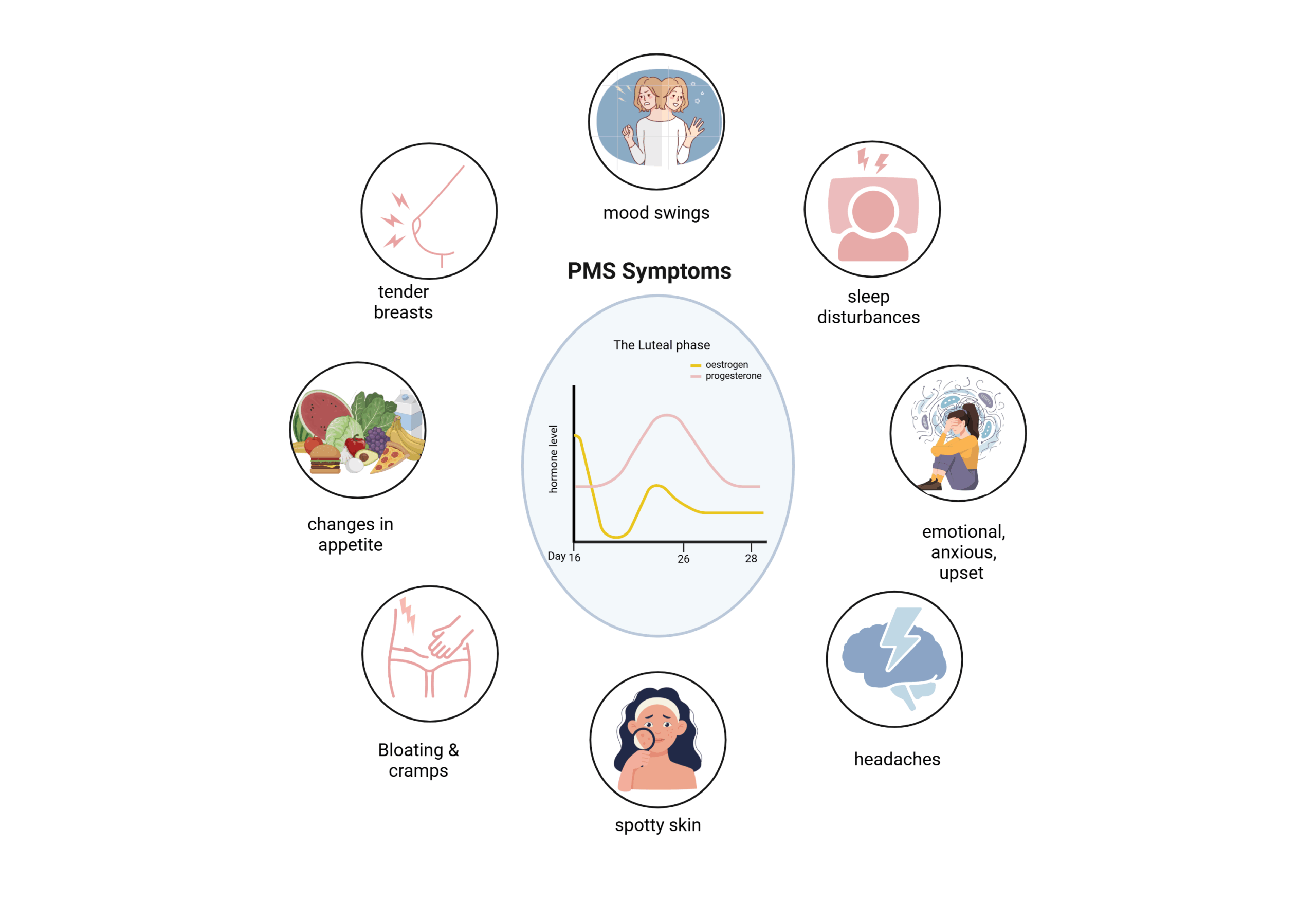
Can Prebiotics and Probiotics Help Alleviate Symptoms of PMS?

Premenstrual syndrome (PMS) is a common condition, with an
estimated 75–90% of women reporting symptoms at some point
during their reproductive years. PMS is characterized by a range of
psychological and physical symptoms that occur during the luteal
phase of the menstrual cycle.


Although the precise pathophysiology of PMS remains unclear, it is
thought to be driven by fluctuating levels of hormones oestrogen
and progesterone in the days leading up to a menstrual period.
Fluctuation in levels of these hormones can affect circulating levels
of neurotransmitters such as serotonin. Insufficient amounts of
serotonin may contribute to premenstrual depression, fatigue, food
cravings and sleep disturbances.

Could Gut Health Play a Role?

Our growing understanding of the intricate connections between
hormonal fluctuations, the gut microbiome, and brain health has led
to an increase in scientific research into whether probiotics
(beneficial bacteria) and prebiotics (fibre that feeds the beneficial
bacteria in the gut) might help restore balance and ease the
symptoms of PMS.

Use of Probiotics, Prebiotics and Symbiotics in the Management of
PMS Symptoms

Research has shown that supplementation with certain strains of
Lactobacillus bacteria, such as paragasseri and gasseri can
significantly improve premenstrual irritability and arousal, as well as
improving mood-related premenstrual symptoms, such as
depression and anxiety. In animal studies use of lactobacillus
helveticus, has been shown to help balance oestrogen,
progesterone and prolactin levels and alleviate uterine inflammation.

Prebiotics are dietary fibres that selectively nourish the beneficial
bacteria of the gut. By promoting populations of Lactobacillus,
(which have been associated with improvements in PMS symptoms)
prebiotics can increase the production of short-chain fatty acids
like butyrate. Butyrate influences serotonin pathways and immune
responses, which can indirectly ease the symptoms of PMS-related
mood swings, fatigue, and inflammation.

Given the complementary benefits of probiotics and prebiotics,
there is clear potential for the use of symbiotics (combined prebiotic
and probiotic interventions) in the management of PMS.
Although the number of scientific studies available is limited, the
research carried out to date provides clear evidence of a link
between the gut microbiome and PMS and offers exciting new
paradigm for development of treatments to help women manage
their symptoms.
While more research is still needed, taking care of your gut may also
mean taking care of your cycle. Probiotics, prebiotics and

symbiotics may offer a natural, science-backed way to soften the
impact of PMS and support overall wellbeing.

By 0 Comments

Can the Gut Microbiome Impact Sleep

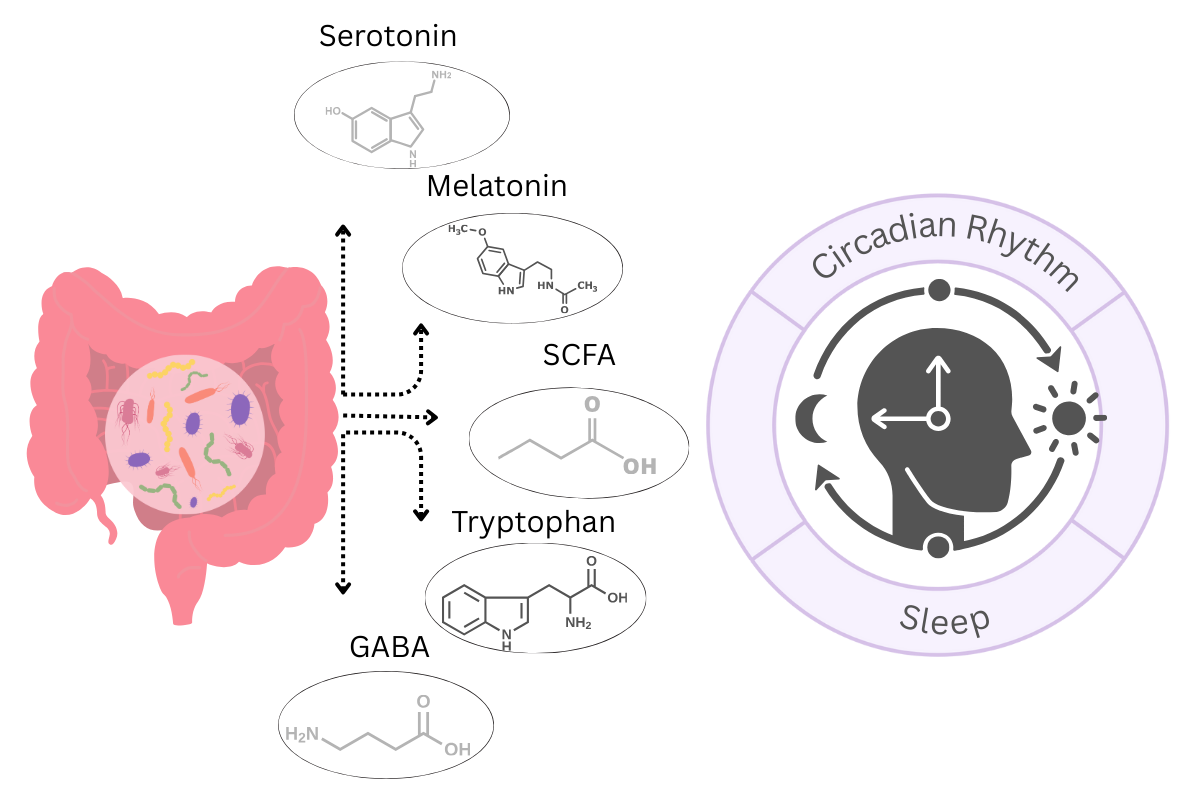
Alterations in gut microbiota composition have been linked to a range of health conditions. Emerging evidence also indicates that both sleep quantity and quality are associated with the composition of the gut microbiome. Recent studies have highlighted the importance of a healthy, balanced microbiome in supporting sufficient sleep and overall health.


Circadian rhythm disruptions arising from factors such as poor diet, excessive screen time, shift work, jet lag, or irregular mealtimes can negatively affect microbiome composition. In turn, the gut microbiota can influence sleep quality and circadian rhythm through the production of metabolites such as serotonin, melatonin, short-chain fatty acids (SCFAs), and gamma-aminobutyric acid (GABA). These metabolites interact with the central nervous system via enteroendocrine cells, which act as sensors and responders to the gut environment.


Short-Chain Fatty Acids (SCFAs):

SCFAs are produced when the gut microbiota ferment undigested fibre, including acetate, propionate, and butyrate. Research has shown that butyrate can induce non-rapid eye movement (the first 3 stages of sleep). SCFA can also influence sleep by affecting the production of serotonin and GABA. Prebiotic supplementation in mice positively regulates the circadian clock through the rhythmic production of SCFA.

Serotonin:

90% the body’s serotonin is generated by enterochromaffin cells which are present in the gut, and the gut microbiome can regulate the synthesis of serotonin in these cells. Microbial activity stimulates the expression of tryptophan hydroxylase, the rate-limiting enzyme in serotonin biosynthesis, thereby influencing circulating serotonin levels. As serotonin plays a key role in regulating sleep–wake cycles and promoting wakefulness, alterations in gut microbiota composition may indirectly impact sleep quality and timing.

Melatonin:

Melatonin is the precursor to serotonin and is also produced by the enterochromaffin gut cells. Its secretion correlates with food intake; for example, late-night eating can disrupt melatonin secretion and negatively impact metabolic processes. As a result, the gut’s microbial balance affects melatonin levels.

Gamma-butyric acid (GABA):

GABA is the primary inhibitory neurotransmitter of the central nervous system, essential for reducing neuronal excitability, promoting a sense of calm. Research has found that specific microorganisms, such as Lactobacillus and Bifidobacterium, can secrete GABA, influencing its availability. This is significant, as reduced GABA levels are associated with sleep disturbances, and studies indicate that these bacterial genera may contribute to improved sleep quality through GABA-mediated pathways.


Collectively, these findings suggest that the gut microbiome plays an active role in regulating sleep through multiple biochemical pathways, highlighting its potential as a target for improving sleep health and overall wellbeing.

By 0 Comments

Menopause and the Microbiome: How hormonal changes can impact the microbiome.

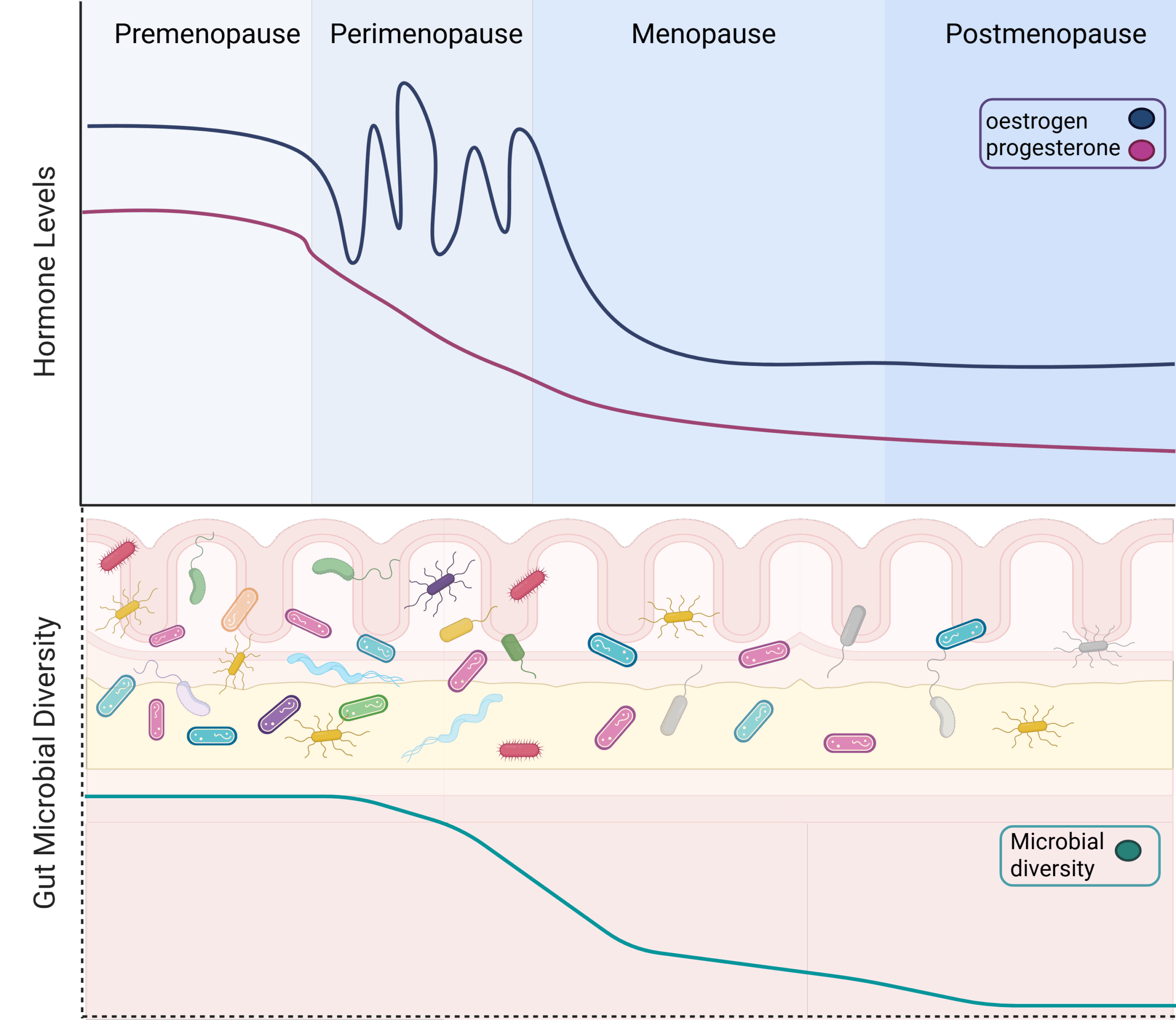
Menopause is characterised by a significant decrease in ovarian hormones oestrogen and progesterone. But did you know that these hormones also help shape your gut microbiome? When hormone levels drop during menopause, gut microbial diversity tends to decrease.


The gut-hormone connection goes both ways.

Your gut bacteria also influence hormone levels. The Estrobolome refers to beneficial bacteria in the gut that produce enzymes which help process oestrogen. Oestrogen, which is produced in the ovaries, adrenal glands, and fat tissue, is excreted from the body through the gut in an inactive form. The enzymes produced by the estrobolome can reactivate it, however, allowing oestrogen to be reabsorbed from the gut into the bloodstream. During menopause, when oestrogen levels are falling, this natural process through which oestrogen levels are regulated by gut bacteria becomes more important.


A balancing act: hormones, microbes, and diversity.

The relationship between hormones and the gut is deeply interconnected: higher levels of oestrogen and progesterone support a more diverse and balanced microbiome. In turn, a richer microbial community enhances the capacity of the gut to recycle and regulate hormones. As a result, maintaining a diverse and healthy gut microbiome is crucial to women’s well-being during midlife.

Gut walls and hormonal support.

Sex hormones also help tighten up your gut lining, acting as a barrier to unwanted bacteria. With declining hormone levels in menopause, this protective lining can become more “leaky,” and contribute to inflammation.


Sex hormones, the gut, and bone health

Did you know your gut bacteria play a key role in keeping your bones strong? This is especially important for women who have gone through menopause and face a higher risk of osteoporosis. A healthy microbiome can support bone health, giving you one more reason to look after your microbiome!


In short…

Supporting your gut during menopause is about so much more than digestion. It’s about nurturing a system that helps balance your hormones, protect your gut lining, and keep your bones strong.
Look after your gut; it’s looking after you, too.

By 0 Comments

How Stress Affects the Microbiome

Stress is a common experience, but women tend to experience it more often and more intensely than men. While a certain level of stress is essential for survival, chronic and overwhelming stress takes a serious toll on the body and mind.

But how is the microbiome affected by stress?

The numerous pathways of the brain-gut axis, of course! The brain–gut axis is a two-way communication system between the brain and the gut, involving neural, hormonal, and immune pathways. It plays a key role in regulating digestion, mood, and stress. The gut microbiota is a critical component, influencing brain function and behaviour.

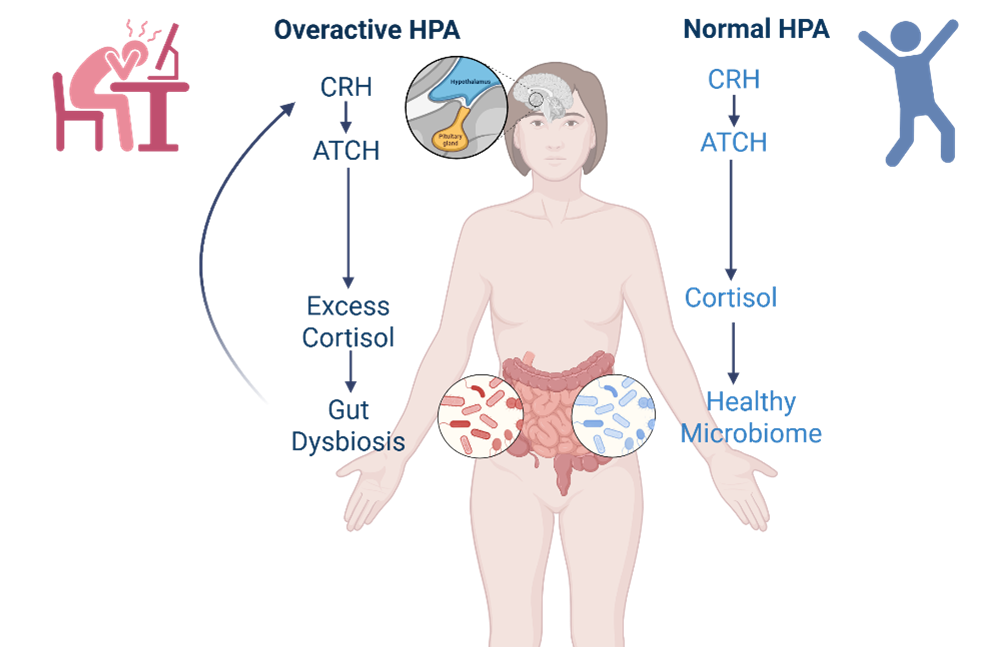
When we’re under prolonged stress, our bodies produce excess cortisol (the primary stress hormone) and increase the release of cytokines, which drives inflammation.  This inflammatory environment disrupts our gut microbiome, causing an imbalance known as dysbiosis, where harmful bacteria start to outnumber the beneficial ones.

This reduces digestive enzyme secretion and increases gut permeability, leading to what’s commonly called a “leaky gut”, which research has shown to allow toxins and bacteria to enter the bloodstream and trigger inflammation.

In addition, stress-related conditions such as anxiety, depression, and sleep disturbances, all of which are more common in women, are linked to an increased abundance of inflammatory-promoting bacteria and a decrease in beneficial ones. In simple terms, more stress can lead to more ‘bad’ bacteria, which in turn can worsen stress.

The diagram below shows how these signals and disruptions occur. In short, this is called our hypothalamic-pituitary-adrenal axis, whereby corticotropin-releasing hormone (cortisol inducer) is released in the brain, which causes cortisol to be released in the body, causing inflammation and dysbiosis in the gut.


So, do we “destress” the gut or the mind?

The answer is – both! Due to the extensive bi-directional communication between the brain and the gut, they affect each other’s functionality. To truly thrive, we need to care for both mind and gut, nurturing the powerful connections between them to create the best outcomes for each.


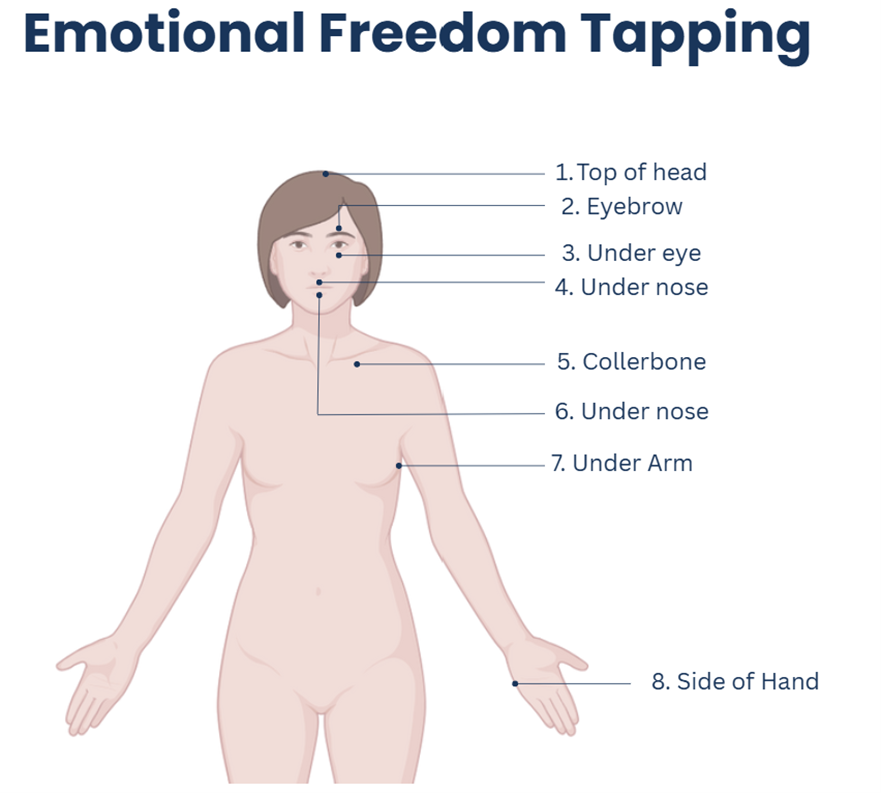
A top down tip to reduce your stress: Emotional Freedom Tapping.

“Emotional freedom Tapping” Like acupuncture, involves stimulating specific points on the body which can lead to can reduced cortisol and stress levels.

Before you begin, it’s important to clearly identify your stressor or issue. The common setup phrase is: “Even though I have this [fear or problem], I deeply and completely accept myself.” Practicing EFT regularly can help ease stress and inflammation, offering valuable support to both your mental well-being and your microbiome.


By 0 Comments