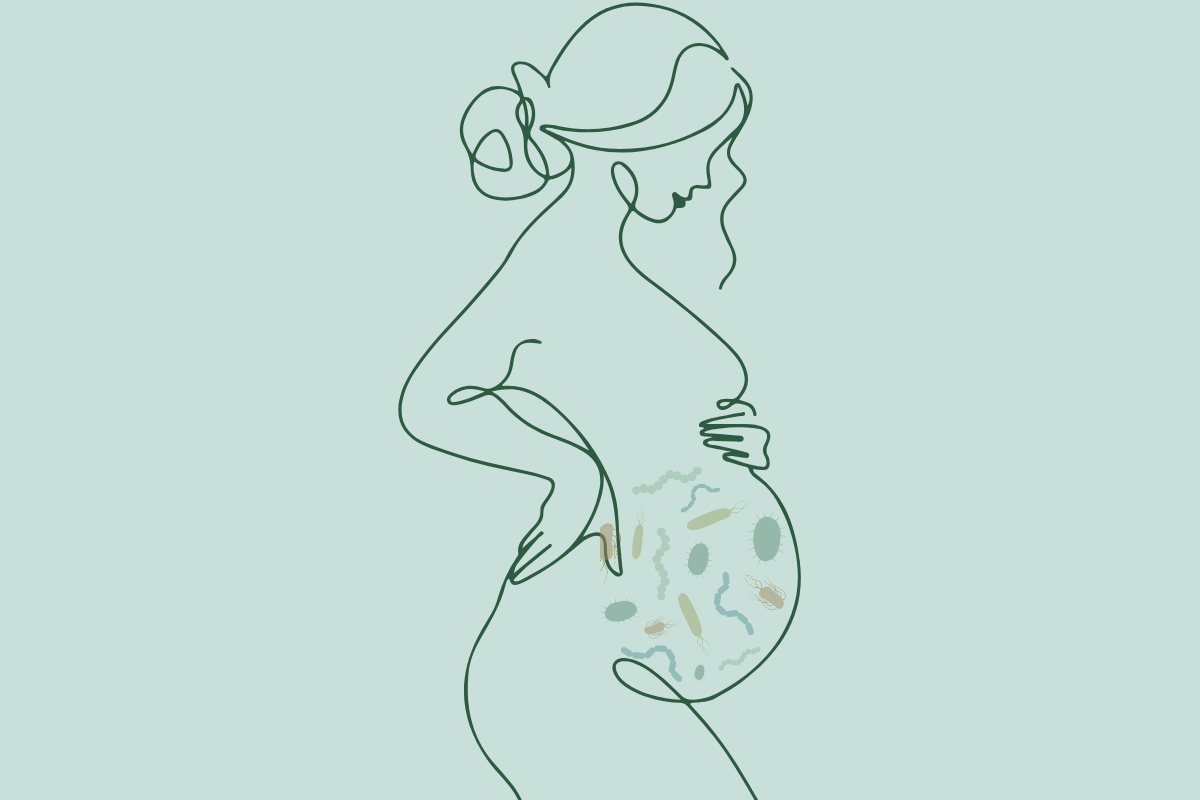
Research, including ours, has shown that pregnancy brings incredible changes to your body, including the gut! The gut microbiome shifts significantly to support both mother and baby. The microbial diversity (number of different types of microbes) tends to decrease; however, your gut becomes better at absorbing energy and nutrients, an important change that helps fuel your baby’s development.
Why is a healthy microbiome important during pregnancy?
Immune Function: A balanced microbiome regulates immune responses, preventing both infections and excessive inflammation.
Blood Sugar Balance: Certain microbial imbalances can cause insulin resistance, especially in the later trimesters. A healthy microbiome may reduce the risk of gestational diabetes and help stabilise blood sugar levels.
Digestive Support: Hormonal shifts slow down digestion, allowing more time for the gut to break down food. This causes a boost in energy-harvesting bacteria that help nourish you and your baby.
Baby’s Long-term Health: the mother’s microbiome shapes the baby’s microbiome, immunity and metabolism. Research shows that a healthy diet and microbiome during pregnancy lowers the risk of obesity, allergies and behavioural disorders.
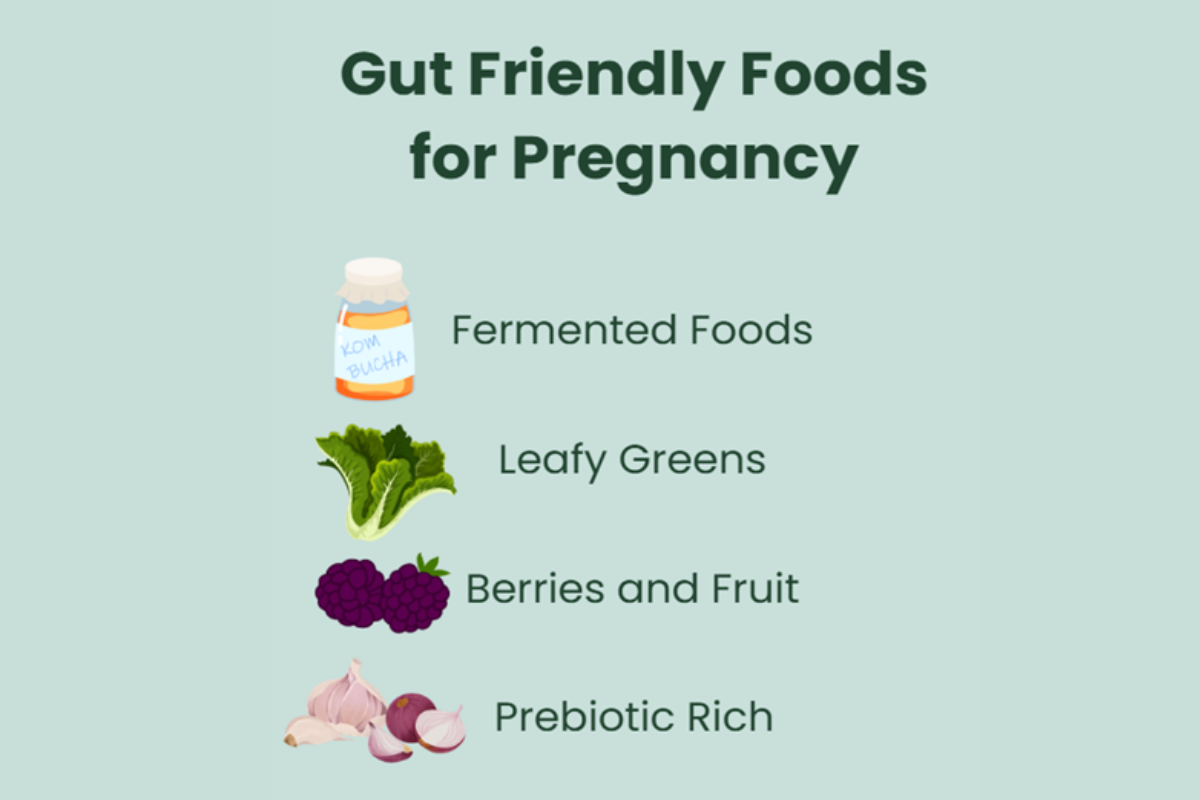
Safe ways to support your microbiome during pregnancy:
Plant-based foods, leafy greens,
Staying hydrated
Keeping active
Getting sufficient sleep
Reducing stress with mindfulness or yoga.
The Bottom Line
Caring for your gut during pregnancy supports smoother digestion, balanced blood sugar, and a stronger immune system while also giving your baby the healthiest start possible. Simple daily habits can make a big difference for you both.
We often hear about gut health, but did you know your vaginal microbiome plays just as important a role in your overall well-being?
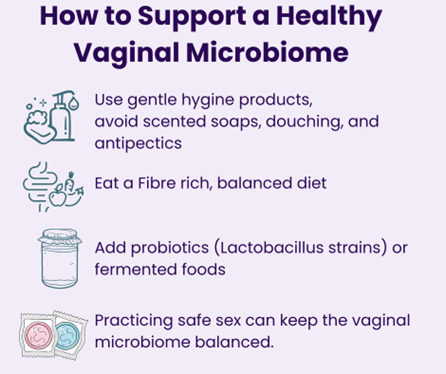
The vaginal microbiome, also called the vaginal flora, is a delicate ecosystem made up of bacteria, fungi, and viruses that naturally live in the vagina. Unlike the gut microbiome, which thrives on diversity, a healthy vaginal microbiome is typically dominated by one key group of bacteria: Lactobacillus.
How does the Vaginal microbiome support health?
This species maintains a healthy microbial environment by lowering the vaginal pH and producing protective substances—such as hydrogen peroxide and lactic acid against potential harmful pathogens.
What can Upset It?
The balance of your vaginal microbiome can be influenced by both internal and external factors. These include:
Hormone levels and menstrual cycle changes
Diet and lifestyle
Ethnicity and genetics
Use of medications or hormonal contraceptives
Sexual activity
Hygiene products like scented soaps or vaginal douches
When these factors shift, they can lead to dysbiosis, or an imbalance in bacteria, which may increase the risk of infections like bacterial vaginosis or thrush.
Your vaginal microbiome is a key part of your body’s natural defence system. Treat it with care, and it will support you in return.
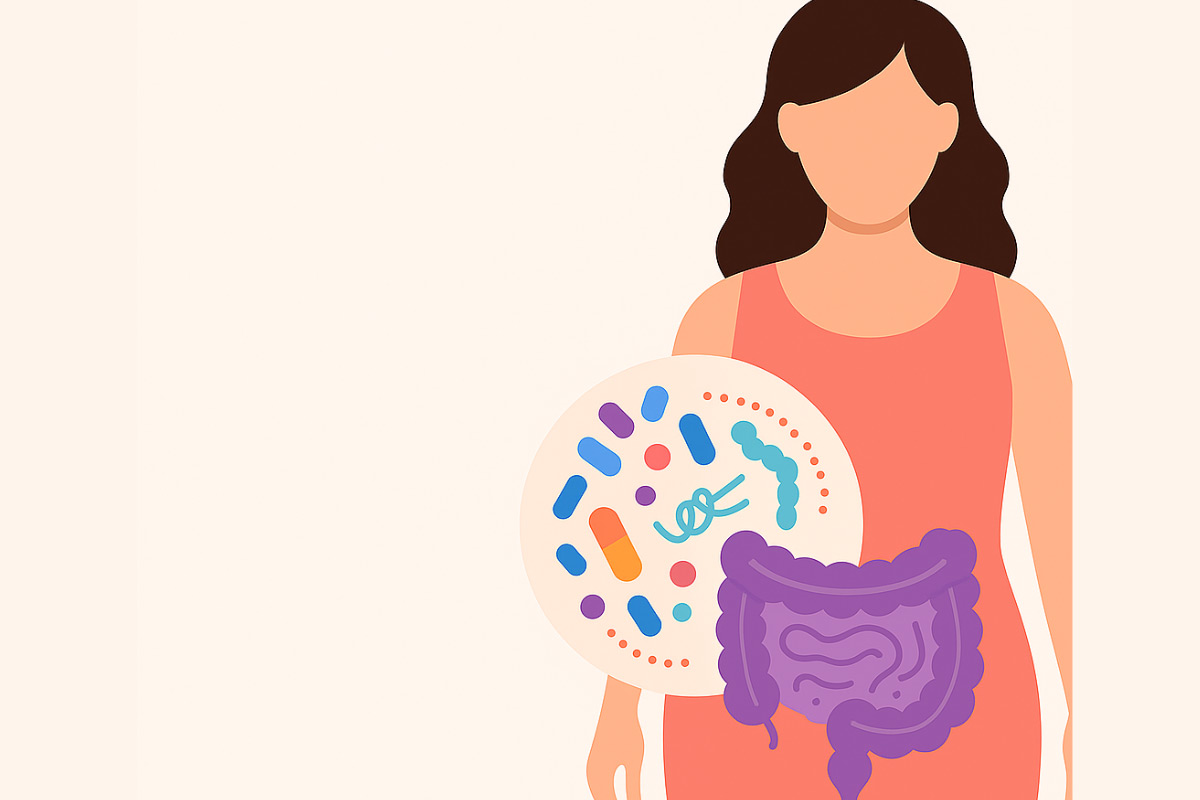
Recent research is revealing just how closely connected gut health is to hormonal balance, especially in women. The gut microbiome, made up of trillions of bacteria, plays a key role in regulating estrogen levels throughout all stages of life.
What Is the Estrobolome?
The estrobolome refers to certain gut bacteria that help process estrogen using enzymes like β-glucuronidase. Estrogen, produced in the ovaries, adrenal glands, and fat tissue, is usually excreted in a conjugated (inactive) form. But the estrobolome can reactivate it, allowing estrogen to be reabsorbed into the bloodstream.
This process is heavily influenced by diet and the overall health of your gut microbiome.
Why It Matters
A healthy gut microbiome means a healthy estrobolome, which helps keep estrogen levels balanced. If your gut bacteria are out of sync—due to stress, poor diet, or antibiotics—it can lead to too much or too little estrogen in circulation, affecting everything from mood to menstrual cycles.
The changing hormone levels that women experience during perimenopause and menopause can have a significant impact on brain health. The hormone oestrogen plays a vital role in brain function, and it is common for women to experience changes in cognition, memory and mood during perimenopause. These brain changes can be exacerbated by other symptoms, like anxiety and disrupted sleep, creating a cycle of stress and cognitive strain that is difficult to cope with.
FEMMEBIOME™ PERIMENOPAUSE AND MENOPAUSE SYMPTOM SURVEY
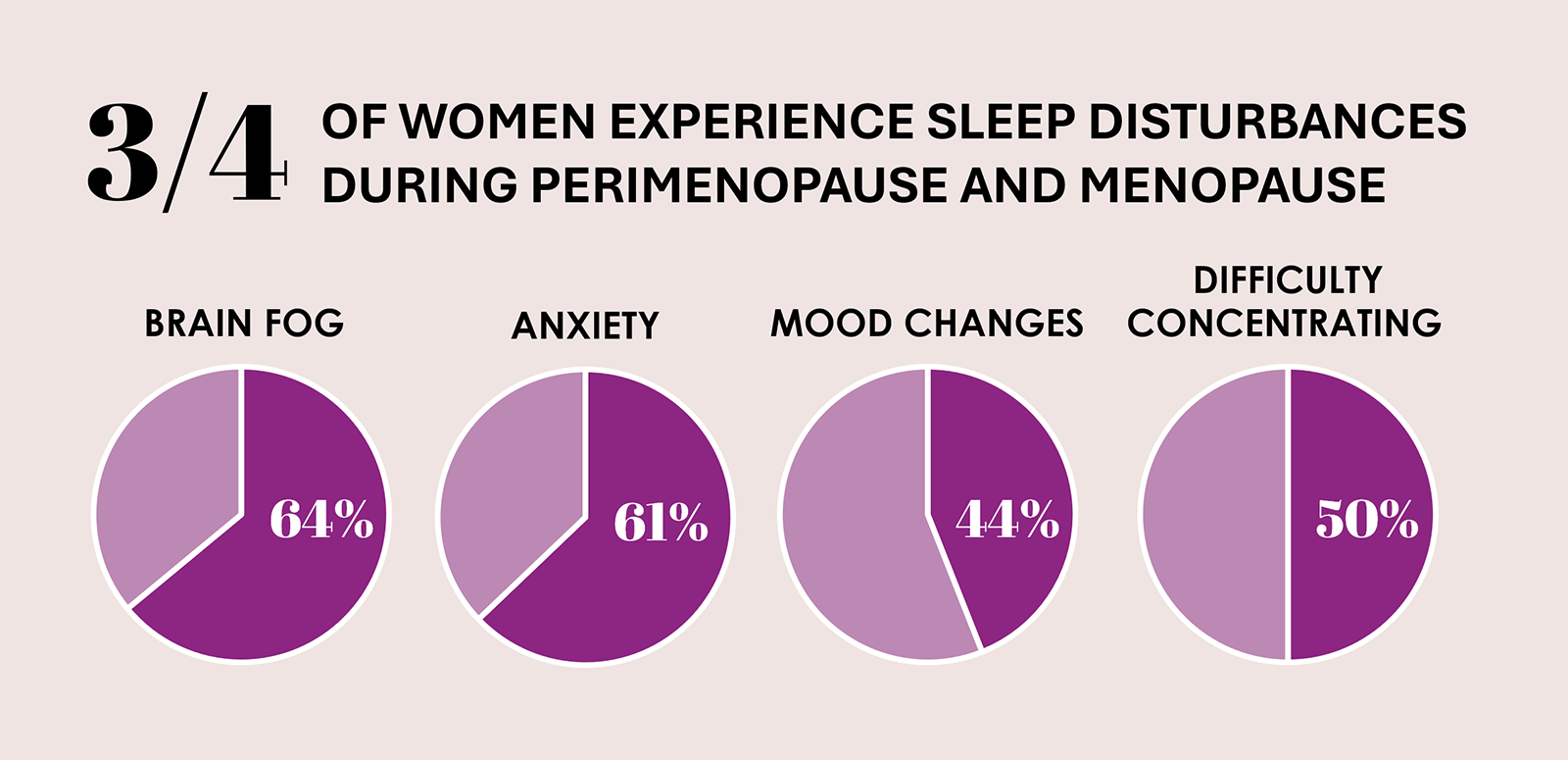
At FemmeBiome™, we are committed to uncovering how brain health shifts during perimenopause and using this knowledge to create innovative interventions that support women’s mental well-being during this pivotal life transition. We surveyed over one hundred women, in collaboration with Health Innovation Hub Ireland and University College Cork, to better understand the impact of perimenopause symptoms on daily life. The most severe and prevalent symptoms reported in the survey were brain related. Three out of four women experience sleep disturbances during perimenopause and over 60% report suffering anxiety and brain fog. Half of the women surveyed said they have difficulty concentrating and over 40% were experiencing mood changes because of perimenopause.
The data collected in this survey is no surprise; international research has found that 85% of women experience symptoms during perimenopause and menopause and over one third have considered giving up work as they believe these symptoms are negatively impacting their professional performance.
MICROBIOME AND BRAIN HEALTH
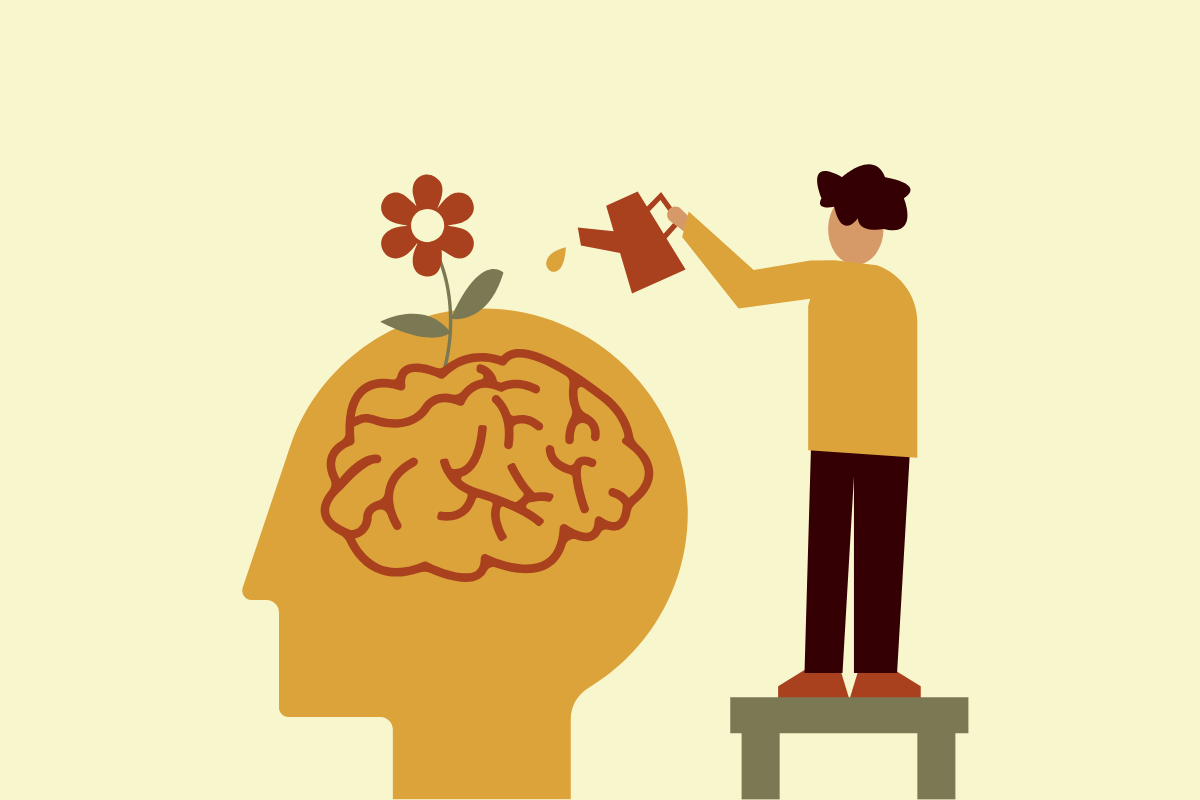
The good news is that recent discoveries in microbiome research have shone a light on new approaches to support brain health and mental well-being. The gut microbiome consists of more than 100 trillion microbes that live within the gastrointestinal tract. We now know that in addition to aiding digestion, these microbes are essential for a broad range of functions related to whole-body health including brain health. The connection between the gut microbiome and the brain is often referred to as the “gut-brain axis”. Our gut bacteria produce bioactive compounds which are critical for brain function. Neurotransmitters like serotonin, dopamine, and gamma-aminobutyric acid and metabolites like short-chain fatty acids are produced in the gut and play key roles in mood regulation and cognitive function. Maintaining a diverse and healthy gut microbiome can impact our mood and our responses to the stresses of everyday life through the gut-brain axis.
The FemmeBiome™ perimenopause and menopause symptom survey reveals an urgent truth – women need better solutions to manage brain-related symptoms during this life stage. At FemmeBiome™, we are tapping into the powerful science of the gut-brain axis to create products that nurture a balanced, diverse microbiome — helping women not just cope, but thrive through perimenopause and menopause.