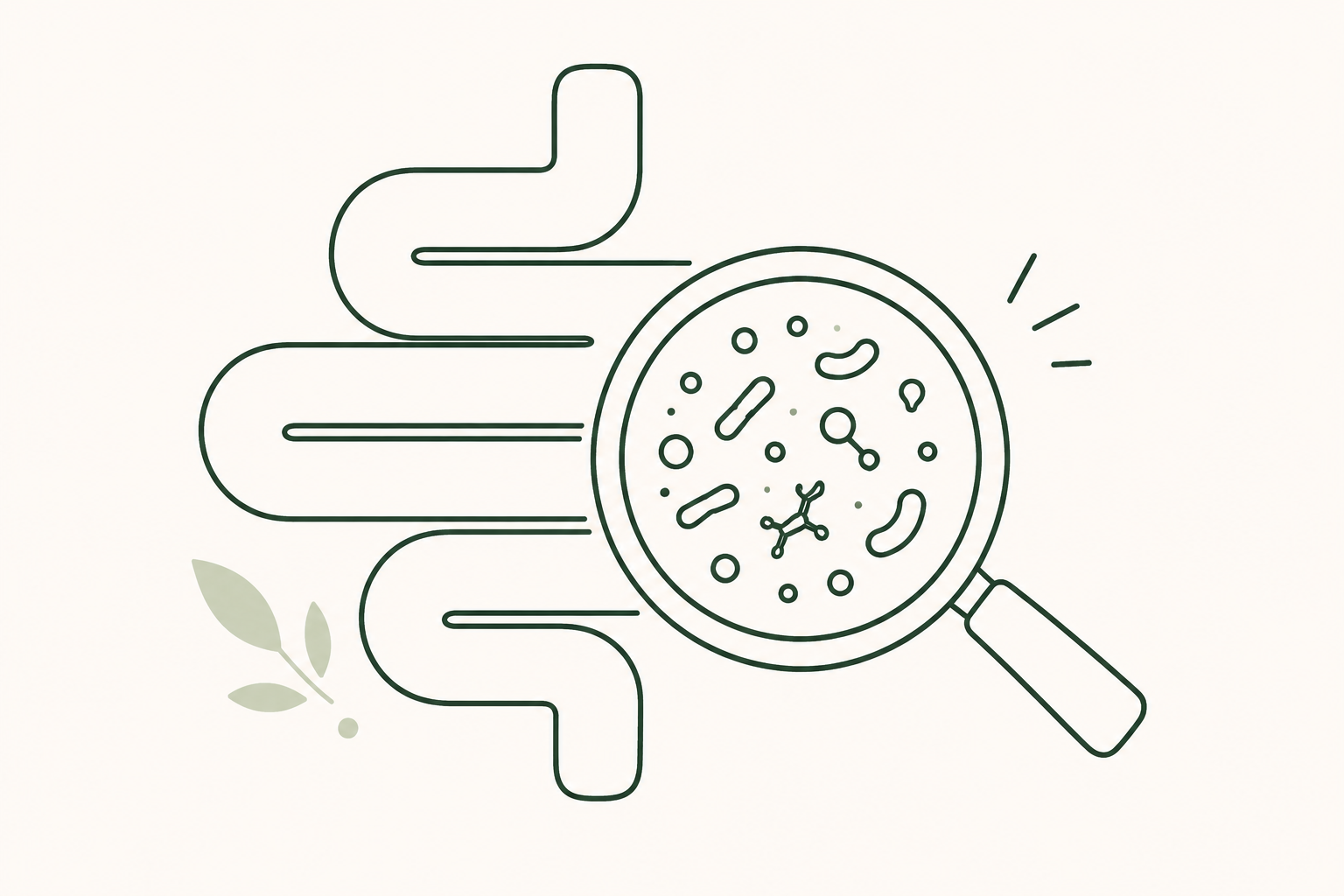
What is the microbiome?
The gut microbiome is a complex ecosystem made up of trillions of microorganisms, including bacteria, viruses, fungi, and archaea, that live in the gastrointestinal tract. Most commonly, the term “microbiome” refers to the beneficial microbes that naturally live in the body, especially in the gut.
Every person has their own unique microbiome. We inherit our first microbes at birth, and throughout life our diet, lifestyle, medications, and environmental exposures continue to shape it.
Why does the microbiome matter?
The microbiome has a symbiotic relationship with us, meaning both the body and the microbes benefit from one another. We provide food and shelter for these microbes, and in return they support many important bodily functions.
Key roles of the microbiome
- Digestion: Helps break down fibre and produce beneficial compounds.
- Metabolism: Produces certain vitamins and supports blood sugar and cholesterol regulation.
- Immunity: Helps train the immune system and protect against harmful bacteria.
- Protection: Maintains a healthy gut lining and helps defend against pathogens.
- Mental health: Influences mood and brain function through the gut–brain connection.
How fibre feeds the microbiome
Dietary fibre is a type of carbohydrate found only in plant foods that the human digestive system cannot fully break down or absorb. Instead, fibre travels to the colon where it is fermented by gut microbes.
During this fermentation process, the microbes produce beneficial compounds called short-chain fatty acids (SCFAs). These compounds play several important roles in health, including:
- Reducing inflammation
- Supporting blood sugar regulation
- Providing fuel for the cells lining the gut
- Supporting brain health
In simple terms, fibre acts as food for the microbiome, helping beneficial gut bacteria grow and thrive.
What happens when fibre intake is low?
When the diet is low in fibre, gut microbes have less fuel available. This can reduce fermentation and lower the production of beneficial SCFAs. Over time, the diversity and health of the microbiome may decline.
Some research suggests that when fibre is lacking, certain microbes may begin breaking down the protective mucus lining of the intestines for energy. This can contribute to inflammation and weaken the gut barrier.
Short-term effects of a low-fibre diet may include:
- Constipation
- Reduced bowel activity
- Increased hunger, as fibre helps slow digestion
- Energy crashes and unstable blood sugar levels
Foods that support the microbiome
Plant foods are the best sources of fibre for nourishing the microbiome. Different types of fibre feed different bacteria, so variety is important. Click here for a table of some of the best high fibre foods.
Good sources include:
- Whole grains
- Oats
- Beans
- Lentils
- Chickpeas
- Fruit
- Vegetables
- Nuts
- Seeds
Eating a wide range of plant foods is more beneficial than relying on only one or two sources of fibre.
Fermented foods such as yogurt, kefir, sauerkraut, and kimchi may also support gut health by introducing beneficial microbes into the diet.
In Summary
The connection between fibre and the microbiome highlights how strongly diet influences overall health. By eating a variety of fibre-rich plant foods, we can support a healthier gut environment, improve digestion, strengthen immunity, and support both physical and mental wellbeing.