Category:

Uncategorized

Fibre and the Microbiome: What’s the Connection?

What is the microbiome?

The gut microbiome is a complex ecosystem made up of trillions of microorganisms, including bacteria, viruses, fungi, and archaea, that live in the gastrointestinal tract. Most commonly, the term “microbiome” refers to the beneficial microbes that naturally live in the body, especially in the gut.

Every person has their own unique microbiome. We inherit our first microbes at birth, and throughout life our diet, lifestyle, medications, and environmental exposures continue to shape it.

Why does the microbiome matter?

The microbiome has a symbiotic relationship with us, meaning both the body and the microbes benefit from one another. We provide food and shelter for these microbes, and in return they support many important bodily functions.

Key roles of the microbiome

  • Digestion: Helps break down fibre and produce beneficial compounds.
  • Metabolism: Produces certain vitamins and supports blood sugar and cholesterol regulation.
  • Immunity: Helps train the immune system and protect against harmful bacteria.
  • Protection: Maintains a healthy gut lining and helps defend against pathogens.
  • Mental health: Influences mood and brain function through the gut–brain connection.

How fibre feeds the microbiome

Dietary fibre is a type of carbohydrate found only in plant foods that the human digestive system cannot fully break down or absorb. Instead, fibre travels to the colon where it is fermented by gut microbes.

During this fermentation process, the microbes produce beneficial compounds called short-chain fatty acids (SCFAs). These compounds play several important roles in health, including:

  • Reducing inflammation
  • Supporting blood sugar regulation
  • Providing fuel for the cells lining the gut
  • Supporting brain health

In simple terms, fibre acts as food for the microbiome, helping beneficial gut bacteria grow and thrive.

What happens when fibre intake is low?

When the diet is low in fibre, gut microbes have less fuel available. This can reduce fermentation and lower the production of beneficial SCFAs. Over time, the diversity and health of the microbiome may decline.

Some research suggests that when fibre is lacking, certain microbes may begin breaking down the protective mucus lining of the intestines for energy. This can contribute to inflammation and weaken the gut barrier.

Short-term effects of a low-fibre diet may include:

  • Constipation
  • Reduced bowel activity
  • Increased hunger, as fibre helps slow digestion
  • Energy crashes and unstable blood sugar levels

Foods that support the microbiome

Plant foods are the best sources of fibre for nourishing the microbiome. Different types of fibre feed different bacteria, so variety is important. Click here for a table of some of the best high fibre foods.

Good sources include:

  • Whole grains
  • Oats
  • Beans
  • Lentils
  • Chickpeas
  • Fruit
  • Vegetables
  • Nuts
  • Seeds

Eating a wide range of plant foods is more beneficial than relying on only one or two sources of fibre.

Fermented foods such as yogurt, kefir, sauerkraut, and kimchi may also support gut health by introducing beneficial microbes into the diet.

In Summary

The connection between fibre and the microbiome highlights how strongly diet influences overall health. By eating a variety of fibre-rich plant foods, we can support a healthier gut environment, improve digestion, strengthen immunity, and support both physical and mental wellbeing.


By 0 Comments

Fibre: What is it and where can I find it?

Fibre seems to be the newest celebrity in the food world, and rightly so. Fibre is a nutrient that nobody is getting enough of, which is so important for a whole host of reasons, from digestive health to brain health. Fibre has great potential and can be found in a lot of our favourite fruits and vegetables.

What is Fibre?

Dietary fibre is a type of carbohydrate only found in plant foods that the human digestive system cannot break down or absorb. Unlike other carbohydrates, it passes through the body mostly intact, aiding in digestion, regulating blood sugar, and promoting satiety. It is essential for healthy digestion and is found in whole grains, fruits, vegetables, and legumes.

Soluble Fibre vs Insoluble Fibre

Soluble: This is the type that is soluble in water. It forms a gel-like material in the stomach that slows down digestion. It can help lower cholesterol and blood sugar. Soluble fibre can be found in oats, peas, beans, apples, bananas, avocados, citrus fruits, carrots and barley.

Insoluble: This is the type of fibre you might have heard referred to as roughage. This type of fibre doesn’t dissolve in water. It gets the bowel moving, adding bulk to stool. Insoluble fibre can be found in wheat bran, nuts, beans, potatoes, and vegetables such as cauliflower and green beans.

A commonly recommended ratio of insoluble to soluble fibre is 2:1 of insoluble fibre to soluble fibre; however, nutritionists emphasise focusing on total fibre intake and food variety over strict ratio tracking.

What are the Benefits of Fibre?

  • A higher fibre diet is linked to a lower risk of colorectal cancer
  • Fibre lowers cholesterol levels
  • Lowers the risk of type 2 diabetes
  • Improves constipation
  • Reduces inflammation
  • Improves the diversity of your microbiome and supports gut health
  • Improves your mood


Where can I find Fibre?

Most wholegrains, beans, pulses, nuts, seeds, fruits and vegetables are good sources of fibre. A good way of checking if a ready meal is high in fibre is to check the back to see if it is a source of fibre. What to look for:

  • Source of Fibre: 3g per 100g
  • High in fibre: 6g per 100g

To help us reach our daily limit of 30g, see the table below with some great high-fibre options to integrate into our diet!


Cereals and Carbohydrates                                                                        Per 100g
Shredded whole wheat or bran cereals 13-24.5g
Wholemeal bread (two slices) 7.0g
Wholemeal spaghetti (boiled) 4.2g
Fruit and Vegetables
Figs 6.9g
Strawberries 3.8g
Parsnip (boiled) 4.7g
Broccoli (boiled) 2.8g
Nuts and seeds
Almonds 7.4g
Peanuts 7.6g
Sesame 7.9g
Sunflower seeds 6.0g
Peas and beans
Peas (boiled) 5.6g
Baked beans (in tomato sauce) 4.9g
Green beans (boiled) 4.1g


One of my favourite high fibre meals (find more on our instagram @femmebiome)


Harissa chickpea baked eggs

Full dish ~ 43g fibre.

3 portions: ~14 g each                                                 

1 red onion, finely diced


1 red pepper, finely diced


2 garlic cloves, minced


1.5tbsp tomato pure


1.5 tbsp harissa
1 x 700g jar of chickpeas with brine


1x 400 g tin chopped tomatoes


Salt+pepper


2tbsp cream cheese


3-4 eggs


To finish: yoghurt, parsley, pickled onion


Method:

  1. Heat 1tbsp oil in a large frying pan
  2. Add the onion and cook for a few minutes until softening, then add the pepper and garlic. Cook for a few more minutes.
  3. Stir in the tomato purée and harissa until the veg is coated, then tip in the chickpeas with their brine and the chopped tomatoes. Season well.
  4. Let everything bubble for 5 minutes, then stir through the cream cheese. Simmer for 4 minutes, make wells and crack in the eggs.
  5. Cover with a lid, reduce the heat to low and cook for 8 minutes for a hob-only option. Or put under the grill for 2 minutes until the whites have set.
  6. Top with yoghurt, parsley, and pickled onion. Scoop up with some crusty bread and enjoy!
By 0 Comments

The Importance of the Gut Microbiome and Female Health


The gut microbiome plays a more important role than you think when it comes to female health. It can influence everything from our menstrual cycle, pregnancy and menopause. I am going to delve into the connection between our gut microbiome and hormones and how we can nourish it.

What defines a healthy microbiome

The gut microbiome consists of more than 100 trillion microbes that live within the gastrointestinal tract. There is no universal definition of a healthy microbiome; however, key features include diversity (a wide range of different bacterial species), stability (the ability to maintain its overall composition over time) and resilience (the capacity to recover after stressors such as illness, antibiotics, or dietary changes).

The gut hormone connection

The gut–hormone connection is a bi-directional relationship: gut bacteria help regulate hormone metabolism, while our hormones can shape which bacteria thrive in the gut. Imbalances in gut bacteria (dysbiosis) have been associated with disruptions in hormones like oestrogen and cortisol, which can lead to issues such as menstrual irregularities, mood disturbances, and metabolic imbalances.

The Estroblome

The Estrobolome refers to a collection of beneficial bacteria that produce enzymes which help process oestrogen. Oestrogen, which is produced in the ovaries, adrenal glands, and fat tissue, is excreted from the body through the gut in an inactive form. The enzymes produced by the estrobolome can reactivate it, however, allowing oestrogen to be reabsorbed from the gut into the bloodstream. During menopause, when oestrogen levels are falling, this natural process through which oestrogen levels are regulated by gut bacteria becomes more important.


How to feed the Estroblome

Prebiotics are types of fibre that feed beneficial gut bacteria and help create an environment in which they can thrive. Prebiotic-rich foods include legumes and beans, root vegetables, cruciferous vegetables, and whole grains. Phytoestrogens are naturally occurring, plant-based compounds that can interact with oestrogen receptors and are metabolised by gut bacteria; sources include soy-based products, edamame, flaxseeds, and cruciferous vegetables.


Why the gut microbiome matters for women’s long-term health

Emerging research suggests that disruptions in the gut microbiome are common in conditions such as PCOS, endometriosis, and hormone-related cancers, and may play a role in how these diseases develop through effects on inflammation, immune function, and oestrogen metabolism. The gut microbiota is being recognised as a key regulator of oestrogen balance across the female life course, particularly during periods of hormonal transition such as menopause. This positions the microbiome as a promising target for future interventions, including dietary approaches, prebiotics, and probiotics aimed at supporting hormonal and metabolic health.

Ultimately, this blog is an invitation to recognise the quiet but powerful role of the microbiome in our health, and to appreciate that by nourishing it, we can make each transition in a woman’s life a little more supported and a little more manageable.


By 0 Comments

Physical Activity and Brain Health: Why Movement Matters

We are living longer than ever before. This is, for the most part, good news, but it also means more of us will face age-related memory loss and cognitive decline. However, the powerful part of this story is that one everyday behaviour, physical activity, consistently stands out as a simple, non-pharmacological way to help protect our brains as we age.

Why Movement Matters for Your Brain:

Physical activity is now recognised as a key modifiable behaviour for brain health. That means it is something you can change and build into your life, regardless of your genes or age.

Regular movement has been linked to:

  • Sharper thinking and better attention
  • Improved memory and learning
  • Better mood and reduced anxiety
  • Slower cognitive decline and lower risk of dementia

Large research reviews show that exercise most reliably improves global cognition (overall thinking ability), processing speed, attention, and executive functions such as planning, self-control, and flexible thinking.

What types of exercise help the brain?

Moderate intensity: aerobic exercise, such as brisk walking, light jogging, cycling, dancing or swimming, is effective for executive functions, memory and mood regulation. For example, some studies have shown that moderate intensity exercise can increase hippocampal volume by 2%, which is the area involved in memory, and a larger and healthier hippocampus is positive for memory and reducing the risk of age-related shrinkage.

Resistance training: Resistance training is not just about building or maintaining muscle mass, but it also benefits the brain. In older adults, resistance training helps counteract age-related mitochondrial impairment (the powerhouse of the cell) and supports functional plasticity in the brain, which is the brain’s ability to rewire and maintain performance.

What’s happening inside your brain when you exercise

There are a few standout processes happening in the brain to elicit the positive outcomes.

  1. Neurotrophic factors

These are factors in the brain that help cells to grow, connect and survive. Aerobic exercise is particularly effective at boosting one in particular, BDNF, which is often described as “brain fertiliser”. Higher levels of BDNF support the growth of new neurons and strengthen existing connections in the brain.

  1. Vascular health and better blood flow to the brain

Your brain is a high-energy organ. It depends on a constant supply of oxygen and nutrients. Physical activity can provide this by improving cerebral blood flow, delivering oxygen to the brain, and supporting aortic elasticity. By improving vascular health and lowering chronic inflammation, exercise creates a more stable and protective environment for the brain cells.

  1. Hormonal Shifts

Exercise is a form of controlled stress, and in the right amounts is beneficial. Physical activity temporarily alters levels of cortisol (the body’s main stress hormone) and adrenaline (involved in attention and alertness). According to research, short-term spikes in both hormones can sharpen focus and support learning and improve memory.


How much exercise do we really need?

Good news, you don’t need to become a marathon runner to protect your brain. An average of 150 minutes per week of moderate exercise (e.g. 30 minutes a day) or 75 minutes per week of vigorous activity. Plus 2 or more days per week of resistance training. This may sound overwhelming but start small and introduce what I like to call “movement snacks” throughout the day, like taking the stairs, short walks, and dancing in your kitchen.

Consistency matters more than perfection; even small increases from a low baseline can produce meaningful benefits for both your brain and overall health.


The final takeaway

Physical activity is one of the most accessible and powerful tools we have for protecting our brain health across our lifespan. Move regularly and more consistently, and think of every session as not just a training session for your body but as an investment in your brain health.


By 0 Comments

Should Women be Cold Plunging?

Should Women Be Cold Plunging?

The question is more complicated than you think. Cold plunges have gained popularity amongst wellness junkies, athletes and celebs. However, as more and more people take the plunge, it’s important to know why and if men and women respond the same to the icy water. I will explore how gender, hormones and physiology affect our response to cold plunging.


What exactly is cold plunging?

Cold plunging or cold immersion therapy involves submerging the body in water ranging from 4-15 °C. The cold water triggers a drop in core temperature, constriction of the blood vessels, stimulation of the nervous system, release of adrenaline, and thermogenesis, which boosts metabolism. Broadly speaking, cold plunges can be used for two reasons.

  1. For health and longevity: Support mood, metabolism and the neuroendocrine system (hormonal system).
  2. For athletic performance and recovery: To reduce inflammation and muscle soreness after intense sessions.

Whilst there is research boasting the benefits of cold plunging to elicit both results ^ most of this research is conducted in males. Therefore, the benefits of cold plunging for women are less well-known.


Temperature Matters for Women.

Men and women significantly differ in how the autonomic nervous system and thermoregulatory processes respond to the cold. Women’s fluctuating levels of oestrogen and progesterone influence the resting metabolic rate and the regulation of our core temperature. Additionally, research shows that women vasoconstrict faster than men, experiencing greater drops in core temperature during immersion, basically meaning we are more sensitive to the cold temperatures. So, when plunge to temperatures below 15 oC, our neuroendocrine system responds with a spike in sympathetic activity (“flight response”) and cortisol release. Studies suggest that over time, this can disrupt menstrual regularity, blunt thyroid function, and impair recovery.


In contrast, temperatures of 15+ °C offer a more balanced response. What happens is much the same, however, less extreme. Your core temperature still drops, triggering adrenaline release (for attention and mood), and mild shivering (a mode of thermogenesis for a metabolic boost) and increased mitochondrial biogenesis (aka more energy). This suggests that women benefit most from moderate cold exposure, sufficient to stimulate physiological adaptation, but not so extreme that it induces chronic stress or disrupts hormonal balance.


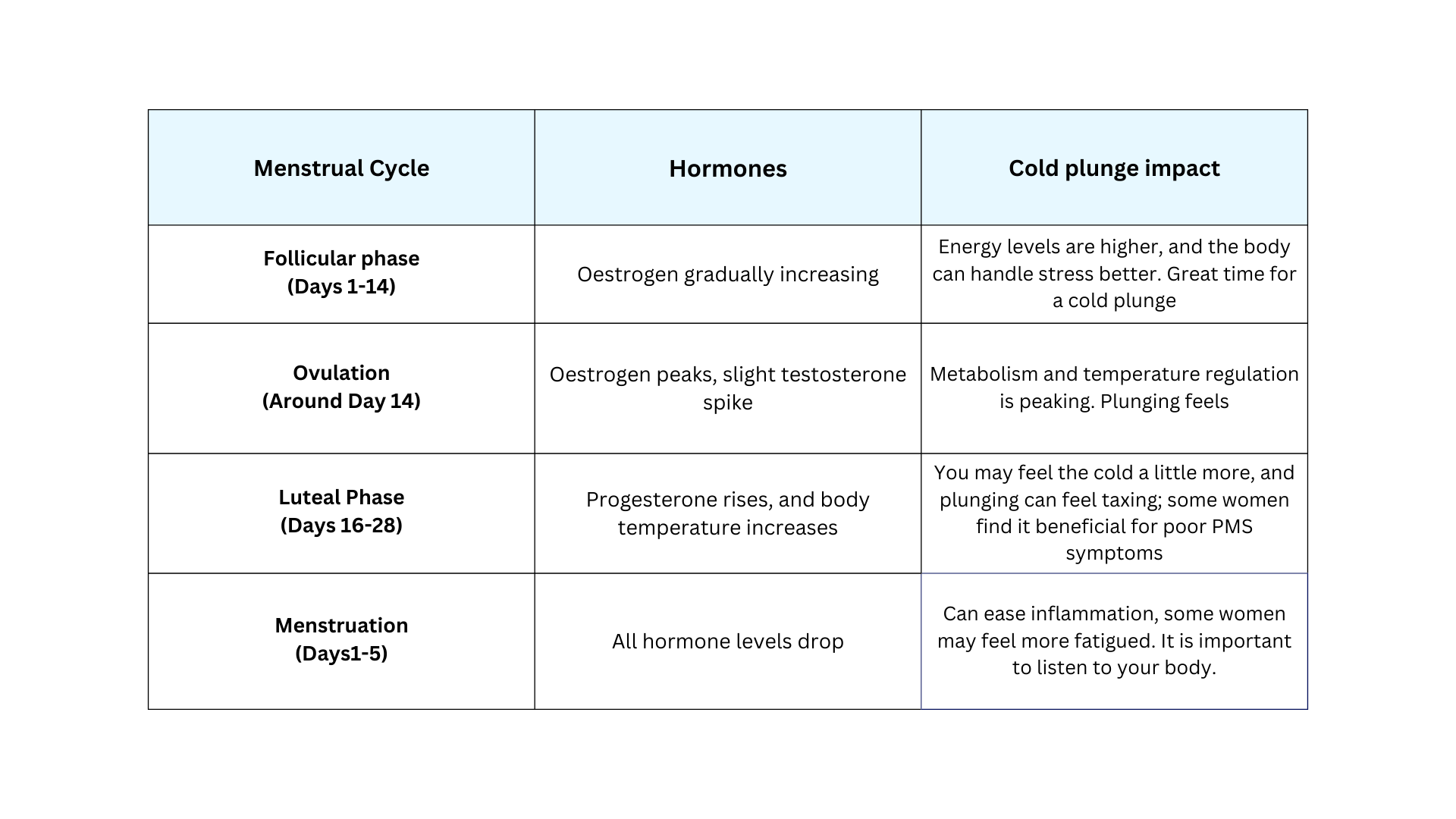
Cold Plunges and the  Female Hormonal Cycle:

Though there is no robust science on the effects of cold plunging for women, current evidence suggests that a personalised, hormone-aware approach is likely more beneficial than simply following the “colder the better” protocols designed for men.

By 0 Comments

Creatine: More Than a Gym Supplement

Creatine is the most researched supplement in the world. What is often known as a gym and athlete supplement can be beneficial to everyone, particularly women. I will be discussing creatine’s function in the body and what the literature has to say about creatine’s role in brain health, especially in relation to women.

What is Creatine?

Creatine acts as an immediate energy reserve, enabling the rapid resynthesis of adenosine triphosphate (ATP), the body’s main energy source, during brief, high-intensity exercise and cognitively demanding tasks. Creatine is a compound made from amino acids in the liver, kidneys, and pancreas, obtained from foods like meat and fish. Approximately 95% of the body’s creatine is stored in skeletal muscle, with the remaining 5% stored in the brain and testes. People who supplement creatine are increasing their intramuscular and brain phosphocreatine stores, providing a larger on-demand energy reserve for both muscular contractions and neuronal firing.


Women, Hormones and Creatine

Women appear to start at an energetic disadvantage. Research shows that we have lower creatine stores than men, likely due to muscle mass and sex hormones. However, this lower baseline means women may be more responsive to supplementation, especially during metabolically and hormonally demanding phases such as the luteal phase, peri and post menopause.

During the luteal phase, the body tends to break down more protein, rely less on carbohydrate storage, and experience shifts in fluid balance that can increase the risk of dehydration. Together, these changes can contribute to feelings of fatigue, reduced performance and the overall luteal feeling of lethargy. In this context, creatine may be beneficial by increasing phosphocreatine availability and drawing water into muscle cells, helping to support energy levels, hydration, and recovery. Creatine is increasingly marketed not only for athletic performance but also as a preventative, longevity-focused health supplement.

However, supplementing is not the answer to everything. Naturally increasing your meat (chicken and beef) and your fish (salmon, cod, & tuna) intake is an effective way of increasing your creatine without relying on supplements.


Creatine as a Brain Booster

The brain is an energy-hungry organ consuming 20% of total resting energy. It relies heavily on the ATP process for synaptic transmission and plasticity (connections (synapses) between neurons can strengthen or weaken based on how often they are used). Within the brain, creatine and phosphocreatine act as a rapid energy buffer, helping maintain ATP availability during periods of high demand. Research suggests creatine supplementation can support cognitive performance, with the strongest benefits seen when the brain is under bioenergetic stress, such as during sleep deprivation or prolonged mental effort. Recent systematic reviews suggest that creatine can improve cognitive performance, especially memory and attention in adults. Another study showed improved memory scores under conditions of sleep deprivation or other stressors.


Creatine is, at its core, an energy buffer which makes it just as relevant to the brain as it is to the barbell. For women in particular, lower baseline stores and shifting hormonal demands across the month and lifespan mean creatine is uniquely positioned to support strength, cognition, and long-term vitality rather than merely fueling vanity metrics. Thinking of it less as a “bros-only” gym powder and more as a foundational nutrient for cellular energy brings creatine into the broader conversation on women’s performance, mental clarity, and healthy ageing.


By 0 Comments

What was I going to say again? Oh yeah, Brain Fog

You’re in the middle of a sentence, and you can’t remember the next word; you walk into a room, forgetting why you’re there. This is brain fog. It isn’t a medical symptom but a collection of symptoms which include:

  • Difficulty concentrating or paying attention
  • Problems with short-term memory
  • Difficulty with word-finding
  • Becoming overwhelmed by simple tasks
  • Slowed processing (slower to take in information and formulate a response)
  • Overall feeling “cloudy”


Brain fog can be a symptom of many conditions; however, I will be discussing menopausal brain fog.

We carried out a survey with women about their menopausal symptoms, and over 60% of women reported brain fog. It’s a common and real part of the transition that should not be overlooked. Current research is presented to help clinicians normalise and validate cognitive complaints in their patients.

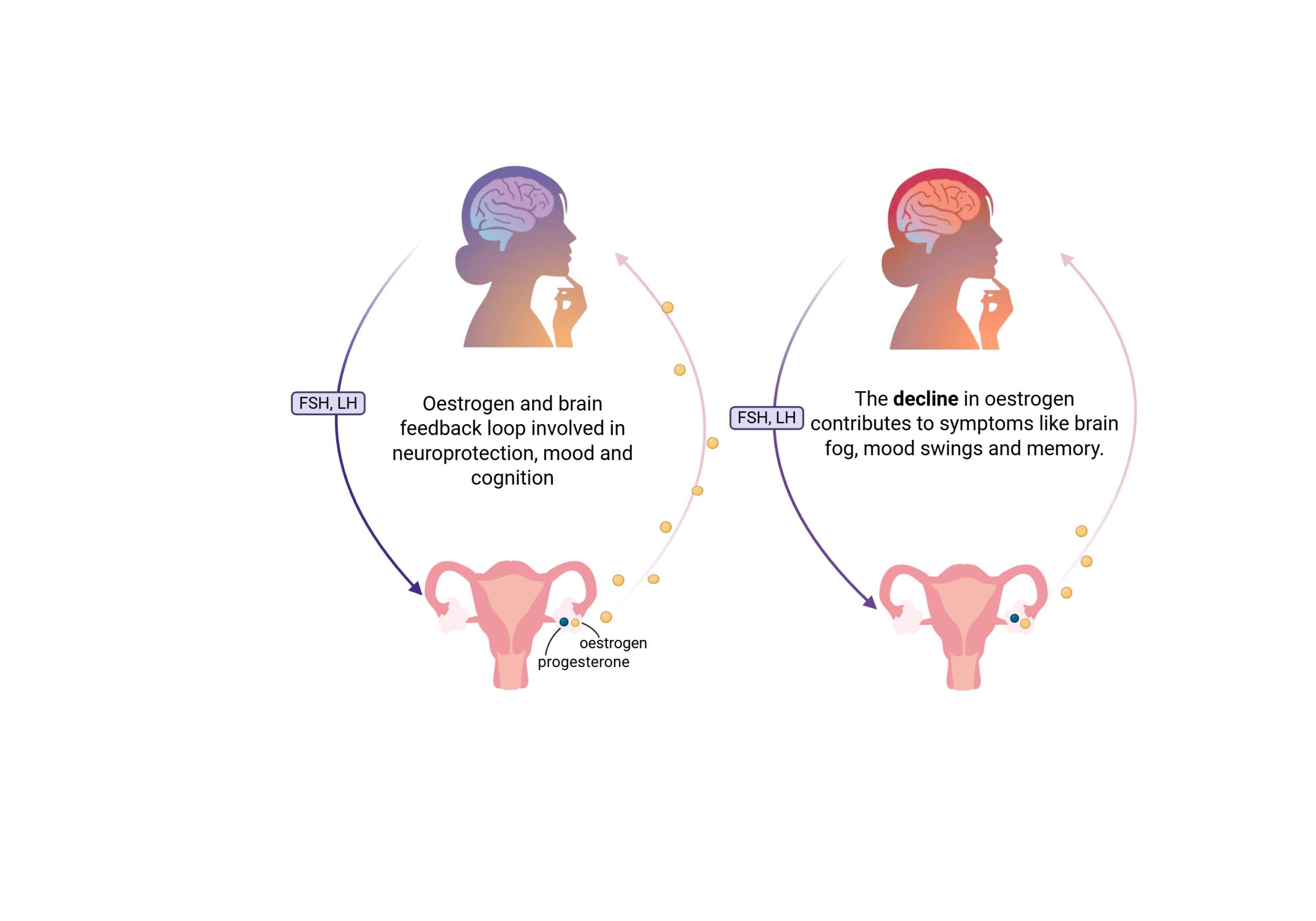
Menopausal brain fog can be due to an accumulation of factors; however, a key driver is the declining oestrogen and progesterone.

Oestrogen’s Multiple Effects on Brain Function:

Oestrogen is vital for brain health, supporting neurotransmitter activity, maintaining healthy blood flow to the brain and neuroprotection, influencing areas critical for memory (hippocampus) and mood (prefrontal cortex).

As oestrogen levels begin to fall in perimenopause, your entire body, including your brain, goes into a deprivation state. At a cellular level, oestrogen promotes the uptake of glucose, the brain’s number one energy source. Therefore, the overall reduction in the brain’s energy during menopause can trigger both the vasomotor and psychological symptoms of menopause, such as brain fog.

The good news is that we can support brain health with simple lifestyle changes.

Coming out of the Fog

  1. Supporting your Gut Microbiome

As I often mention, our gut microbiome is fundamental to supporting brain health. Nourish your gut with prebiotic foods such as bananas, blueberries, rye, nuts and plenty of vegetables. Probiotic foods contain live bacteria, which increase the amount of beneficial microbes. A stable diverse microbiome produces metabolites which support brain health by regulating mood, reducing inflammation and influencing cognition.

  1. Incorporate More Brain Foods:

A diet rich in polyunsaturated fats, such as omega 3 and 6, which you can find in fish, nuts and seeds. Berries, which contain antioxidant properties; whole grains, which contain vitamin B (essential for supporting brain function and nerve health); and dark chocolate, which contains flavonoids.

  1. Exercise Regularly

There is a wealth of research showing the importance of exercise to boost brain health. Exercise increases blood flow to the brain, delivering more oxygen and nutrients, reduces inflammation, and stimulates neurogenesis (the growth of new neurones). Collectively, these effects enhance cognitive function and memory. In fact, many studies demonstrate that regular exercise can significantly improve memory and reduce the risk of cognitive decline and dementia.


Experiencing brain fog throughout menopause is both common and valid, with approximately two-thirds of women reporting cognitive changes during this transition. Increasing awareness of menopause-related brain symptoms is vital. Early recognition allows for better support, validation, and management strategies for women navigating this stage of life.

By 0 Comments

Can a Better Microbiome Help Manage Cortisol Levels?

Before delving into this topic, it’s helpful to revisit what we mean by the gut microbiome and cortisol.


The gut microbiome is a community trillions of tiny living organisms that naturally live in our digestive tract . Together they help us break down food and play an important role in keeping the whole body healthy, including brain health. These microorganisms make substances, such as proteins, that support the health of the gut. Some of these substances can also travel beyond the gut, allowing the microbiome to influence other parts of the body.

Cortisol is our stress hormone released by the adrenal glands in response to stress. Cortisol release is governed by the hypothalamic pituitary adrenal axis (HPA-axis) in the brain. Cortisol is critical for our fight or flight response, our circadian rhythm (sleep cycle) and our overall stress response. High or low levels can impact our health.


Cortisol’s effects on the Microbiome

Research has consistently shown that high levels of cortisol over time in the body can decrease the number of different microbes (diversity), leading to an imbalance in the beneficial and pathogenic bacteria. This can cause inflammation, worsening the stress response and impacting mood, immunity and gut function.

However, this relationship is bidirectional and recent research shows that a healthy and resilient microbiome can help regulate cortisol levels.

Microbiomes’ effect on Stress

Research in University College Cork highlighted how the gut microbiome can regulate the timing of the stress response. The depletion of the gut microbiome results in disruptions in the brain’s circadian rhythm and causes hyperactivation of the stress response. This demonstrates the importance of a healthy microbiome in maintaining synchronisation between circadian and stress systems, allowing us to respond adaptively to stressors across the day.


Diet also plays a significant role. Studies have shown that adherence to a microbiome-supporting diet, such as the Mediterranean diet rich in fibre, is associated with reduced levels of perceived stress. High-fibre foods promote the growth of beneficial gut bacteria, which can reduce systemic inflammation. This reduction in inflammation feeds back to the brain, dampening HPA-axis activity and ultimately reducing cortisol release.


Additionally, specific gut bacteria, such as certain bifidobacteria are capable of producing neurotransmitters such as GABA, the brain’s inhibitory neurotransmitter. GABA-producing bacteria play a role in calming the nervous system and reducing stress. Supporting this idea, one study found that participants who consumed the bifidobacteria loving fibre, galacto-ligosaccharide (GOS) for three weeks showed significantly lower cortisol levels compared to a placebo control group. This suggests that targeted support of beneficial microbes can directly influence physiological stress markers.


Gut microbes are known to modulate our stress responsivity and behaviour. Reductions in microbial diversity or beneficial microbes can trigger a cascade of effects, impacting inflammation, brain signalling, and stress regulation. While advice such as “reduce stress” or “practice mindfulness” is well-intentioned, stress is often unpredictable and unavoidable.

However, by creating a stable and supportive environment in the gut through diet and lifestyle, we can strengthen our internal resilience in the long-term. A healthy microbiome may not eliminate stress, but it can help us manage and adapt to stress more effectively when it arises.

By 0 Comments

5 Ways to Support Your Gut Microbiome During the Festive Season

‘Tis the season of indulgence. Christmas time is undoubtedly the richest time of year when it comes to food. Although it may be the most delicious time of year it can be our guts’ least favourite holiday.  


Why our gut struggles over Christmas. 

Though Christmas is usually when we “log off” and relax, the lead up and preparation can be stressful. A wealth of research has shown how stress affects the gut and the microbiome negatively causing inflammation and reducing the beneficial microbes. 

Additionally, if you think of the “unwanted” foods of the microbiome, it reads a bit like the Christmas shopping list. Sugar, processed food, high fat, fried foods, alcohol, trifle for breakfast, the list goes on. On top of this, irregular sleep patterns and cancelled gym sessions also wreak havoc on our gut microbiome.  

The good news is that there are some simple tips to mind your microbes during the festive season.


1. Brighten up your plates with colours your gut will love. 

Try to incorporate different types of colourful fruit and vegetables. It seems obvious however, it is essential for a diverse and healthy microbiome. They are high in different types of fibre, which feed the beneficial microbes and are rich in polyphenols, compounds that have anti-oxidant and anti-inflammatory properties. If you want to read more on polyphenols and their benefits, click here. 

Breakfast is a good time to incorporate your fruit and veg before the rest of the family wakes up and puts on the croissants. Pile your yoghurt bowl up with berries or load your smoothies with kale, carrots and apples and give your gut the start to the day it deserves. 


2. Add prebiotic and probiotic foods, the perfect combo for gut harmony.  

Prebiotic rich foods: 

Prebiotics are specialised plant fibres that nourish beneficial bacteria in the gut, such as: 

  • Fruits: bananas, watermelon, blueberries, grapefruit, nectarines, pomegranate 
  • Cereals: bran, rye bread, rye crackers, oats 
  • Nuts: cashews, pistachios 
  • Veggies: chicory, artichokes, leeks, cabbage, asparagus, and leeks. 

These prebiotic rich foods are high in fibre which is key to fuelling your beneficial bacteria.  

Probiotic rich foods: 

Probiotic foods contain live bacteria, which increases the different types of good microbes and help fight off pathogens. Foods like sauerkraut, kefir, and natural yogurt and are great sources. I hear sauerkraut goes exceptionally well with turkey and ham! 


3. Wrap up and get outside 

Researchers at University college cork have found that exercise can help restore microbial balance and improve your mood.  Even low-level exercise helps, instead of delving straight into desert take a stroll and help your gut digest.  


4. Try get more sleep- Your microbes thrive on a  steady circadian rhythm 

Sleep quality and quantity are associated with the composition of the gut microbiome. Recent studies have highlighted the importance of a healthy, balanced microbiome in supporting sleep and overall health. Sleep often becomes irregular over Christmas, and paired with residual stress, it can promote inflammation in the gut. That’s why supporting your gut health is crucial during periods of disrupted routines. 


5. If your choosing alcohol, choose red 

Research has shown that red wine, in moderation, can improve the diversity of your gut microbiome. Additionally, red wine processes polyphenols, which, as I mentioned earlier has antioxidant and anti-inflammatory properties. Your gut does prefer a glass of red to a pint of beer.  


Give your gut these five simple gifts this Christmas, and you’ll step into the season feeling more balanced, energised and resilient. 

By 0 Comments

The Power of Polyphenols: Breaking Down their Bioactive Benefits

Polyphenols are a category of compounds naturally found in plant food. They boast a wide range of health benefits due to their antioxidant and anti-inflammatory properties. Polyphenols are potent health-boosting compounds. We’ll walk through the main types, what they do for your health, and where you can find them in your daily diet.

Polyphenol’s Benefits Start in the Plant:

Polyphenols act as a natural defence system, protecting plants from pathogens, UV damage, and herbivores with their antifungal and antibiotic properties. They also support growth by regulating key hormones. Plus, they provide the vibrant colours of many fruits and plants, helping attract pollinators and signalling high polyphenol content.


Role of Polyphenols in the Body:

Research shows that polyphenols are linked to a reduced likelihood of heart attacks, strokes, and diabetes. Dietary polyphenols also contribute to healthier cholesterol levels, better blood pressure control, improved insulin sensitivity, and lower overall inflammation. Collectively, these mechanisms highlight the significant role polyphenols play in maintaining long-term metabolic and cardiovascular health.


 Polyphenols and the gut-brain axis

The possible therapeutic benefits of dietary polyphenols may stem, at least partly, from their bi-directional interaction with the gut microbiome. Research has shown that the gut microbiome can convert polyphenols into bioactive compounds that can then be absorbed by the body and exert beneficial effects, such as antioxidant, anti-inflammatory, and other health-promoting actions.

Additionally, polyphenols promote the growth of beneficial gut bacteria, like Bifidobacterium and Lactobacillus. Both support brain health by influencing the gut-brain axis, reducing inflammation, producing short-chain fatty acids, and influencing neurotransmitters. These have been shown to improve cognitive function and reduce symptoms of anxiety and depression and improve our overall mental wellbeing in both animal and human studies.


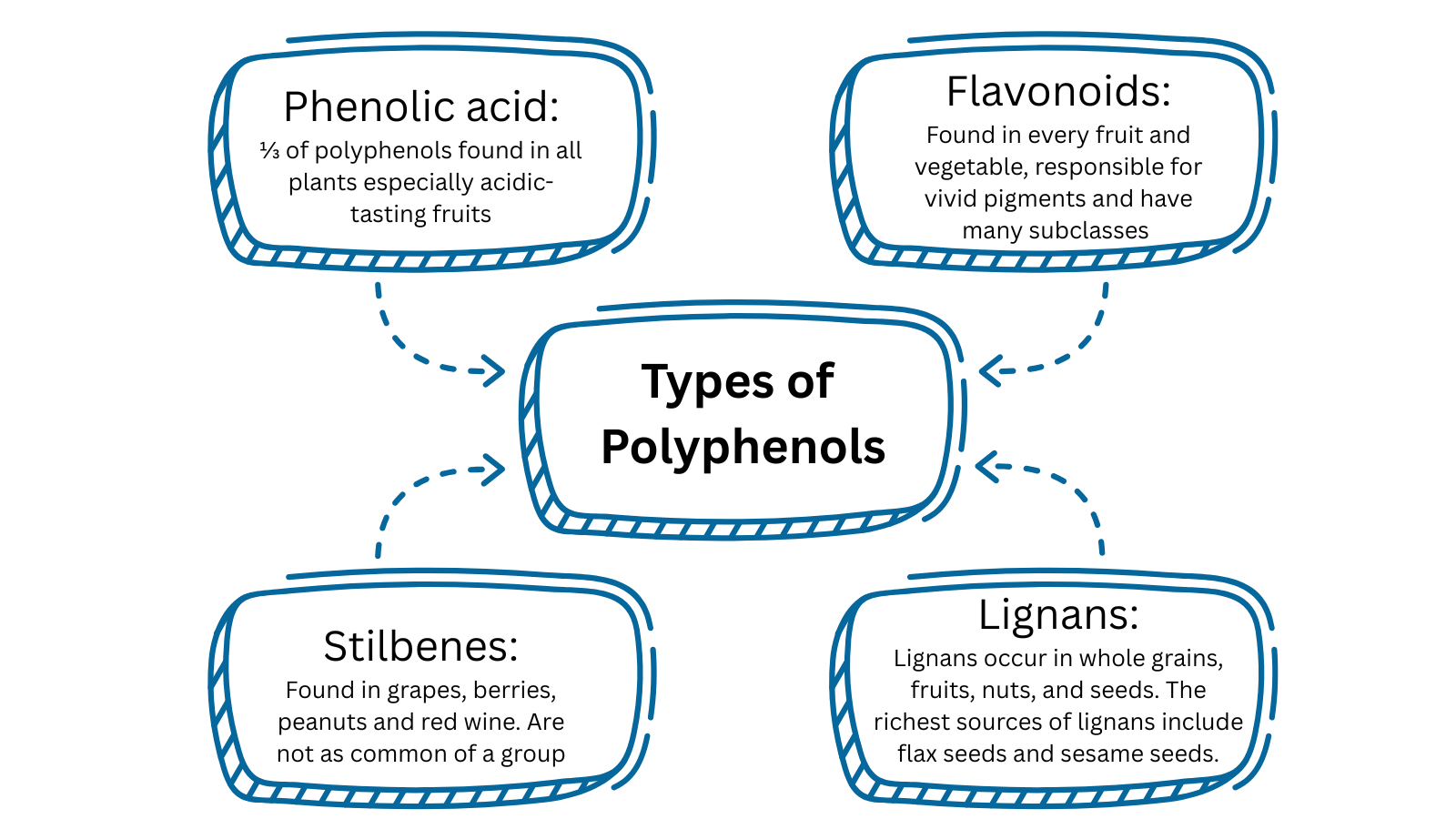
Types of Polyphenols

Scientists have identified over 8,000 polyphenols, which have been spit into four major groups based on their chemical structure…

Polyphenols have huge potential to optimise our health and support our everyday lives; now that we know this, let’s look at what foods we can integrate into our diets to reap the benefits from these superfoods.


What are the main food sources of polyphenols?

Category Food/Beverage Polyphenols (mg per 100g / 100ml)
Spices, Herbs & Seeds Cloves 15,188 mg / 100g
Peppermint 11,960 mg / 100g
Star anise 5,460 mg / 100g
Mexican oregano 2,319 mg / 100g
Celery seed 2,094 mg / 100g
Flaxseed meal 1,528 mg / 100g
Sage 1,207 mg / 100g
Rosemary 1,018 mg / 100g
Cocoa & Chocolate Cocoa powder 3,448 mg / 100g
Dark chocolate (70–85% cacao) ~1,664 mg / 100g
Fruits Black chokeberry 1,756 mg / 100g
Black elderberry 1,359 mg / 100g
Blackcurrant 756 mg / 100g
Plum 377 mg / 100g
Blackberry 260 mg / 100g
Strawberry 235 mg / 100g
Vegetables, Beans & Olives Black olive 569 mg / 100g
Globe artichoke hearts 260 mg / 100g
Red onion 168 mg / 100g
Beverages Filtered coffee 214 mg / 100g
Red wine 101 mg / 100ml
Black tea 102 mg / 100g
Green tea 89 mg / 100g
Extra-virgin olive oil 62 mg / 100g
By 0 Comments