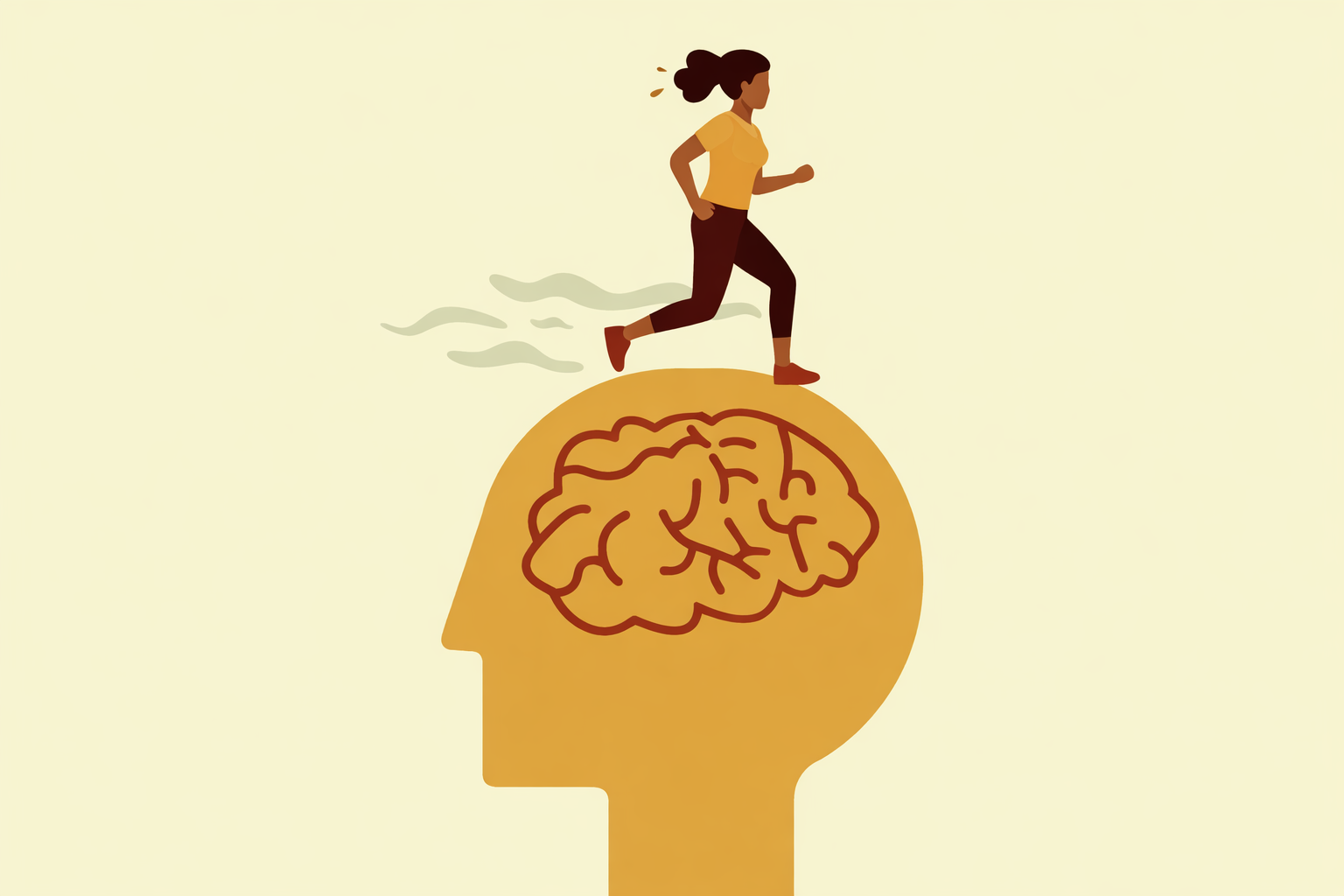
We are living longer than ever before. This is, for the most part, good news, but it also means more of us will face age-related memory loss and cognitive decline. However, the powerful part of this story is that one everyday behaviour, physical activity, consistently stands out as a simple, non-pharmacological way to help protect our brains as we age.
Why Movement Matters for Your Brain:
Physical activity is now recognised as a key modifiable behaviour for brain health. That means it is something you can change and build into your life, regardless of your genes or age.
Regular movement has been linked to:
- Sharper thinking and better attention
- Improved memory and learning
- Better mood and reduced anxiety
- Slower cognitive decline and lower risk of dementia
Large research reviews show that exercise most reliably improves global cognition (overall thinking ability), processing speed, attention, and executive functions such as planning, self-control, and flexible thinking.
What types of exercise help the brain?
Moderate intensity: aerobic exercise, such as brisk walking, light jogging, cycling, dancing or swimming, is effective for executive functions, memory and mood regulation. For example, some studies have shown that moderate intensity exercise can increase hippocampal volume by 2%, which is the area involved in memory, and a larger and healthier hippocampus is positive for memory and reducing the risk of age-related shrinkage.
Resistance training: Resistance training is not just about building or maintaining muscle mass, but it also benefits the brain. In older adults, resistance training helps counteract age-related mitochondrial impairment (the powerhouse of the cell) and supports functional plasticity in the brain, which is the brain’s ability to rewire and maintain performance.
What’s happening inside your brain when you exercise
There are a few standout processes happening in the brain to elicit the positive outcomes.
- Neurotrophic factors
These are factors in the brain that help cells to grow, connect and survive. Aerobic exercise is particularly effective at boosting one in particular, BDNF, which is often described as “brain fertiliser”. Higher levels of BDNF support the growth of new neurons and strengthen existing connections in the brain.
- Vascular health and better blood flow to the brain
Your brain is a high-energy organ. It depends on a constant supply of oxygen and nutrients. Physical activity can provide this by improving cerebral blood flow, delivering oxygen to the brain, and supporting aortic elasticity. By improving vascular health and lowering chronic inflammation, exercise creates a more stable and protective environment for the brain cells.
- Hormonal Shifts
Exercise is a form of controlled stress, and in the right amounts is beneficial. Physical activity temporarily alters levels of cortisol (the body’s main stress hormone) and adrenaline (involved in attention and alertness). According to research, short-term spikes in both hormones can sharpen focus and support learning and improve memory.
How much exercise do we really need?
Good news, you don’t need to become a marathon runner to protect your brain. An average of 150 minutes per week of moderate exercise (e.g. 30 minutes a day) or 75 minutes per week of vigorous activity. Plus 2 or more days per week of resistance training. This may sound overwhelming but start small and introduce what I like to call “movement snacks” throughout the day, like taking the stairs, short walks, and dancing in your kitchen.
Consistency matters more than perfection; even small increases from a low baseline can produce meaningful benefits for both your brain and overall health.
The final takeaway
Physical activity is one of the most accessible and powerful tools we have for protecting our brain health across our lifespan. Move regularly and more consistently, and think of every session as not just a training session for your body but as an investment in your brain health.